WHAT YOU NEED TO KNOW
- Houthi forces seized Perim Island, roughly 80 miles from Camp Lemonnier, placing the American hub within range of missiles and drones.
- Camp Lemonnier hosts several thousand American military and civilian personnel and serves as a major counterterrorism hub.
- Analysts proposed expanded American access in Somaliland and Puntland to reduce dependence on Camp Lemonnier.
- AFRICOM has warned about Houthi capabilities and signs of collaboration with Somalia based al-Shabab militants.
The expanding reach of Yemen’s Houthi militants along the Red Sea is renewing concern about the security of the main American military hub in Africa.
Recent territorial gains have moved the Iran backed group closer to Camp Lemonnier in Djibouti, sharpening questions about the installation’s exposure to missiles and drones.
Camp Lemonnier hosts several thousand American military and civilian personnel.
The installation is roughly 80 miles from Perim Island, which the Houthis seized last week in the Bab el-Mandeb Strait, a crucial passage for ships entering and leaving the Red Sea.
The advance places Camp Lemonnier within range of the group’s ballistic missiles and drones, creating the potential for low altitude strikes.
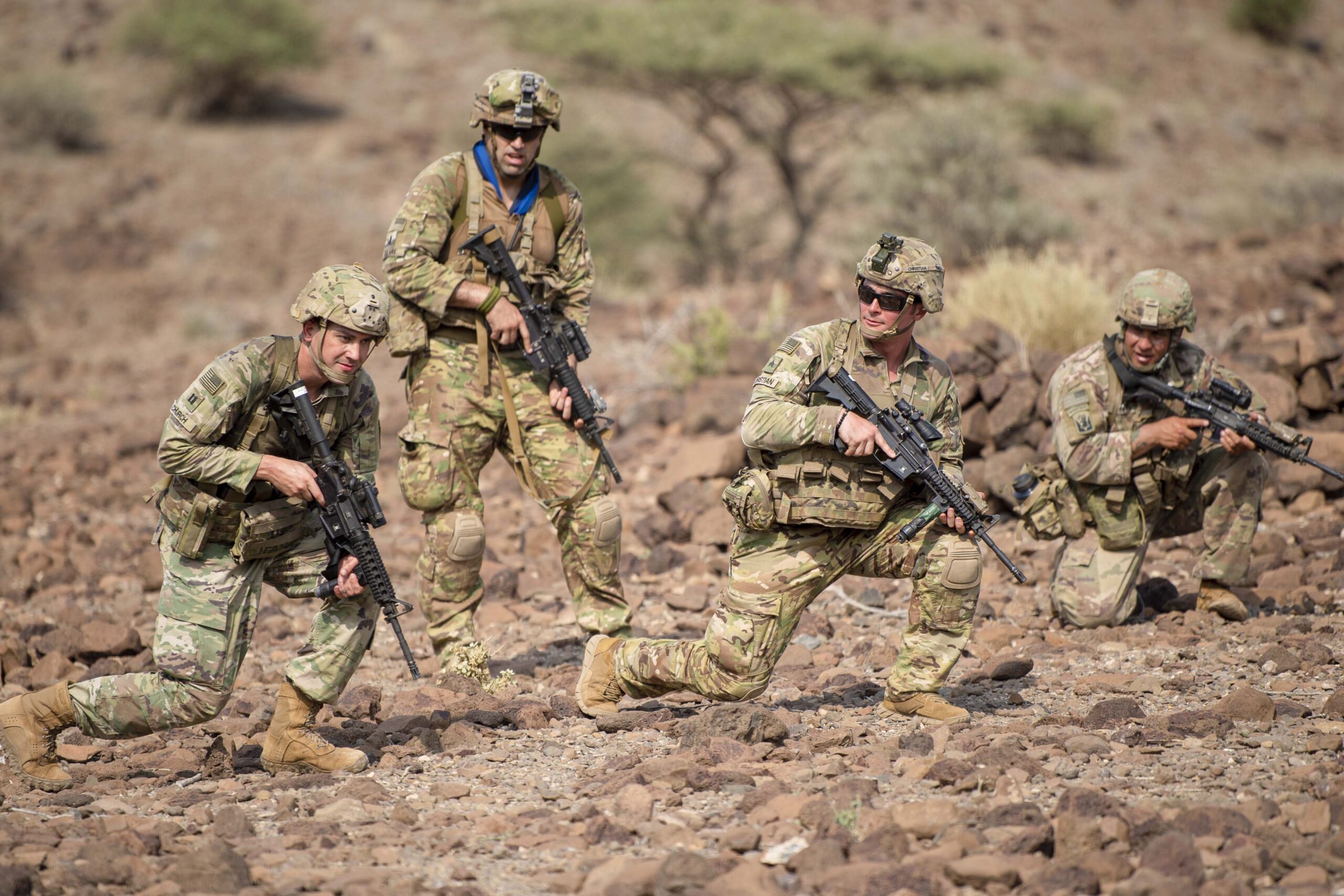
American and French tactical air control party members conducted combined live fire training in Arta, Djibouti, on June 22, 2026.
The Houthi move comes as the war with Iran has revealed vulnerabilities across an American basing network created when installations behind front lines were largely considered sanctuaries.
Iranian missile and drone attacks have damaged or destroyed hundreds of buildings at American bases across the Middle East.
Those attacks also forced the military to reroute some operations after relatively inexpensive weapons penetrated numerous heavily defended installations.
The results have added urgency to arguments that the Pentagon’s traditional basing approach in potential conflict zones requires an overhaul.
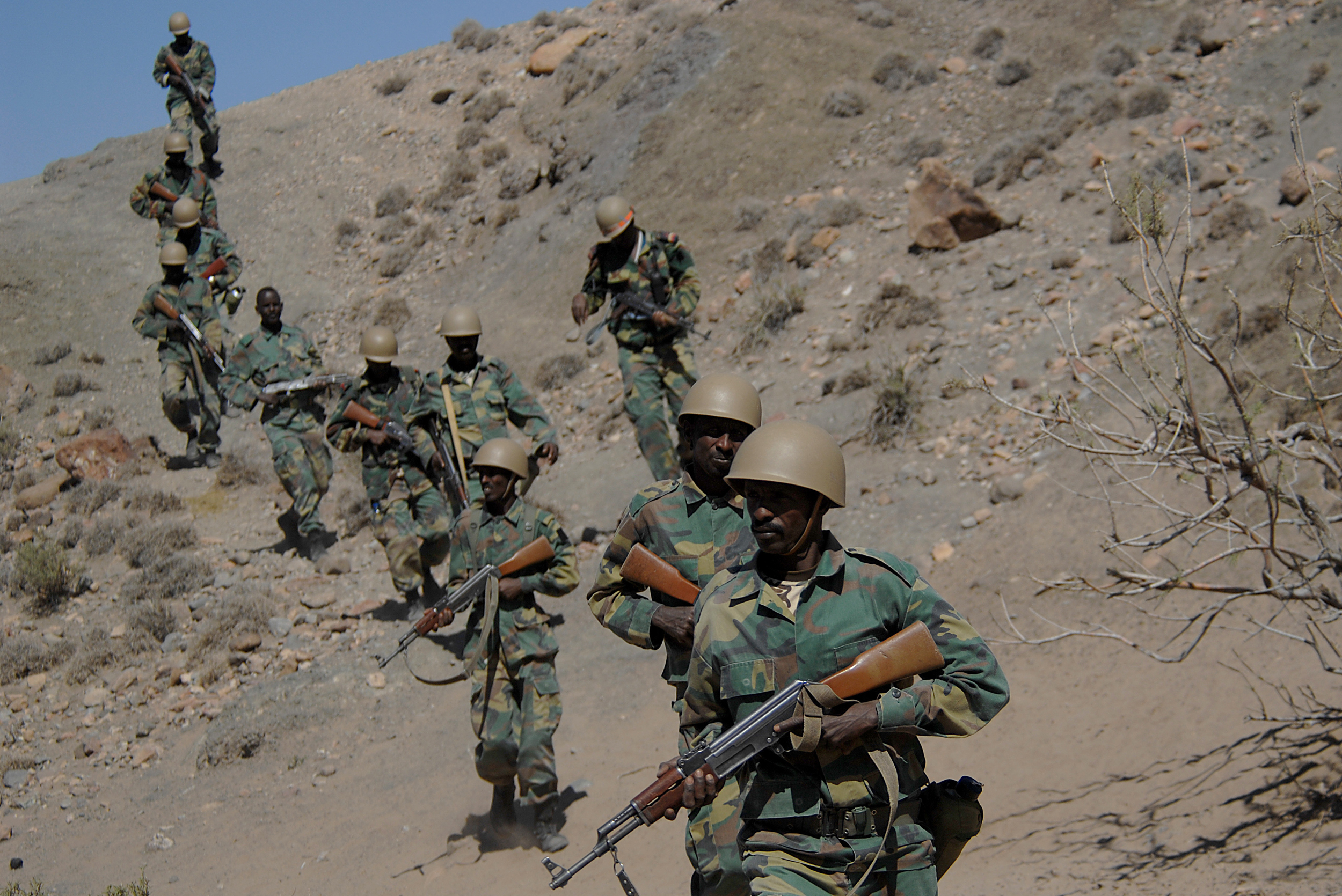
Warnings about Camp Lemonnier predated the latest Houthi territorial advance.
Analysts and American commanders had already pointed to the group’s proximity to Djibouti and its extensive arsenal of missiles and drones as reasons for concern.
The American Enterprise Institute’s Critical Threats Project said in a March assessment that the Houthis could target Camp Lemonnier during a Red Sea attack campaign. U.S. Africa Command raised a similar warning last year about the group’s ability to strike the Djibouti base cluster.
“The Houthis have the capability to attack the Djibouti base cluster should they decide to escalate against the United States,” former AFRICOM boss Gen. Michael Langley said in congressional testimony last year.
The warning now carries additional weight following the seizure of Perim Island.
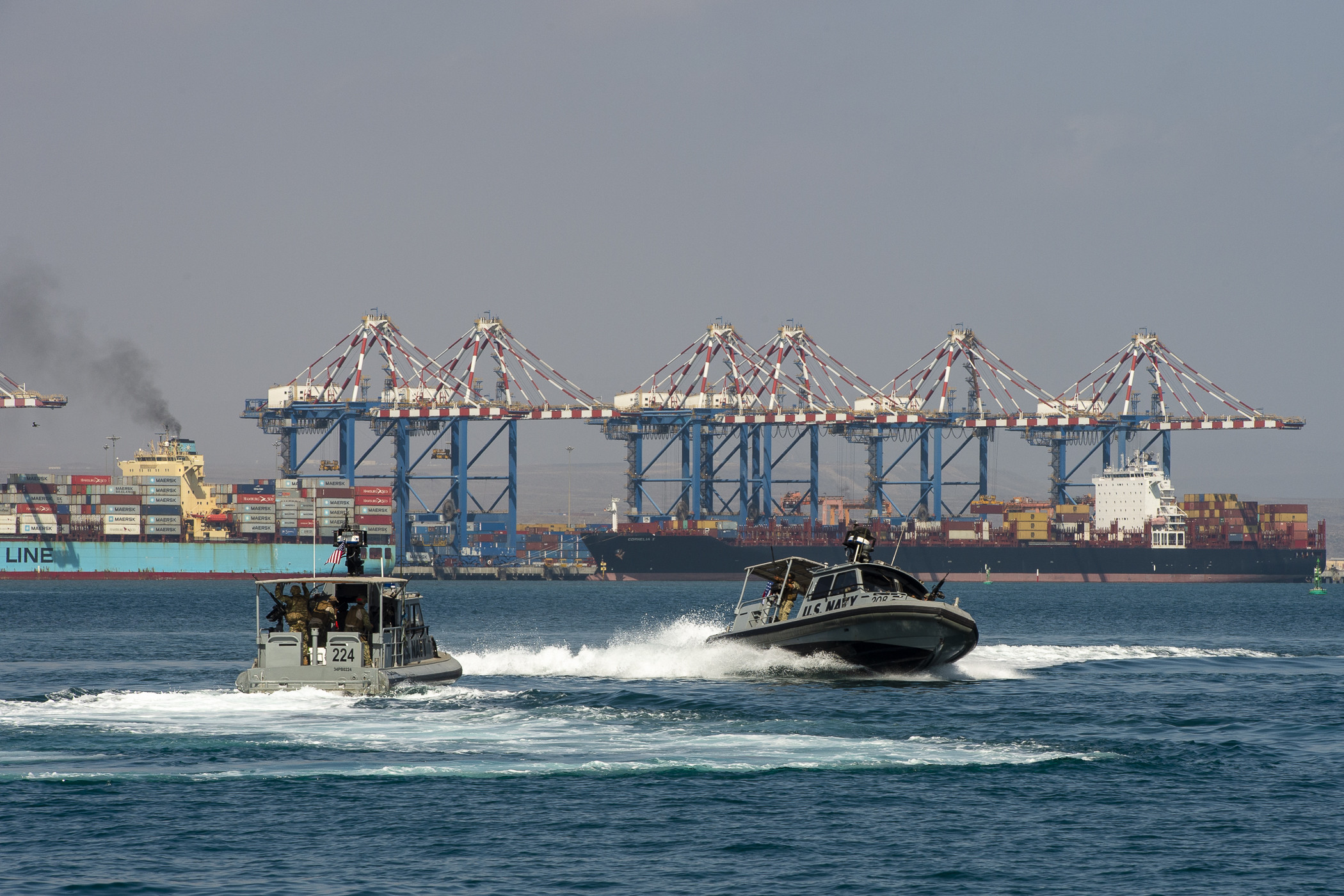
Camp Lemonnier was established two decades ago as a major American counterterrorism hub.
The base also predates the proliferation of jet powered attack drones, which have placed more military installations within striking range.
Retired Marine Maj. Gen. Robert Sofge, a former commander of Marine Corps Forces Europe and Africa, and analyst Jonah Brody argued Tuesday that the American posture in East Africa should adjust to the circumstances. “The strategic landscape has outgrown an access architecture built for a narrower fight,” they wrote in a Small Wars Journal analysis.
China operates its only overseas military base just miles from the American installation, a presence that has sparked espionage concerns over the years.
Sofge and Brody said the current fighting in the Persian Gulf demonstrates the importance of addressing geography before a wider crisis erupts.
“If we have learned anything from the current fight in the Persian Gulf, it is that getting the geography right in front of a full-blown crisis matters,” Sofge and Brody said.
They proposed expanded American military access in the Somaliland and Puntland regions of Somalia.
Such access could create a more distributed network of military locations and reduce American overdependence on Camp Lemonnier, according to the authors.
Their proposal reflects the risks of concentrating personnel and operations at one hub while the reach of regional militant groups continues to expand.
The Houthis have not publicly singled out Camp Lemonnier as a target. Analysts also say Djibouti’s nonconfrontational approach toward the group could reduce the likelihood of an attack on the installation.
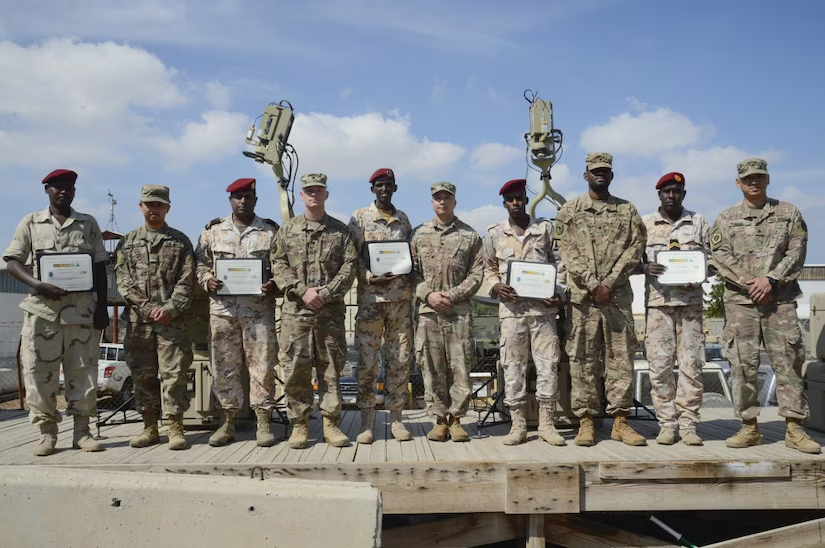
Still, during American clashes with the Houthis in 2024, the group said it possessed a list of American bases in the region that it might strike depending on how the fighting escalated.
That statement adds another layer of concern as the group moves closer to Djibouti.
AFRICOM has also been alarmed by signs of collaboration between the Houthis and the Somalia based al-Shabab militant group. Gen. Dagvin Anderson, AFRICOM’s current commander, spoke in May about a connection between al-Shabab and the Houthis.
AFRICOM’s posture statement in May said Iran’s weapons and drones were extending its threat network and Houthi influence into Africa.
Together with the seizure of Perim Island, those developments have placed Camp Lemonnier’s security and America’s broader East African military posture under renewed scrutiny.
Are you feeling overwhelmed or hopeless right now? Have you been withdrawing from people or activities you usually enjoy? Are you having thoughts about hurting yourself, or feeling like things will never improve?
You do not have to handle those feelings alone. Support is available, and talking to someone can make a difference. You can reach out to the 988 Suicide & Crisis Lifeline by calling or texting 988, or by chatting online at 988lifeline.org. Trained counselors are available 24 hours a day to listen and help.
If you believe someone is in immediate danger, call emergency services right away. Even a small step, like reaching out to a trusted friend, family member, or professional, can help create a path forward.
The opinions expressed by contributors and/or content partners are their own and do not necessarily reflect the views of Conservative Scoop. Contact us for guidelines on submitting your own commentary.
Leave a comment
COMMENTS POLICY: We have no tolerance for messages of violence, racism, vulgarity, obscenity or other such discourteous behavior. Thank you for contributing to a respectful and useful online dialogue.