WHAT YOU NEED TO KNOW
- The Air Force faces a $14 billion aircraft parts supply shortfall affecting acquisitions, maintenance and sustainment funding.
- Around 53% of the fleet is more than 30 years old, while 55% has exceeded its useful service life.
- The fiscal year 2027 request includes $4.2 billion for the group managing spare parts and maintenance backlogs.
- The North Star Readiness Campaign has increased B-52 readiness by 40%, according to Gen. Stephen L. Davis.
The U.S. Air Force is confronting a $14 billion shortfall in aircraft parts, a supply gap that is affecting how the service buys components and approaches sustainment funding.
Service leaders detailed the problem Wednesday during the Air & Space Forces Association’s 2026 Air, Space & Cyber Conference.
The warning comes as the force wrestles with supply chain problems, maintenance demands and aircraft serving far beyond their earlier timelines.
Officials said sustainment funding is becoming increasingly necessary to close the gap and keep more aircraft available.
“If I can throw a number out there right now, we have a $14 billion hole in supply,” Commander of Air Force Materiel Command Lt. Gen. Linda Hurry said during a panel titled “Flying and Fixing to Fight and Win.”
Hurry urged the audience to absorb the scale of the figure while acknowledging that the service does not expect to receive the full amount immediately. She emphasized that any money received must be spent carefully and effectively.
“Let that sink in for a minute,” Hurry said. “I know we’re not going to get it all at once, but when we get it, we’re going to have to execute. We’re going to have to execute smartly so we can move the needle.”
The Air Force is managing its fleet from a broader global perspective through partnerships, according to Hurry.
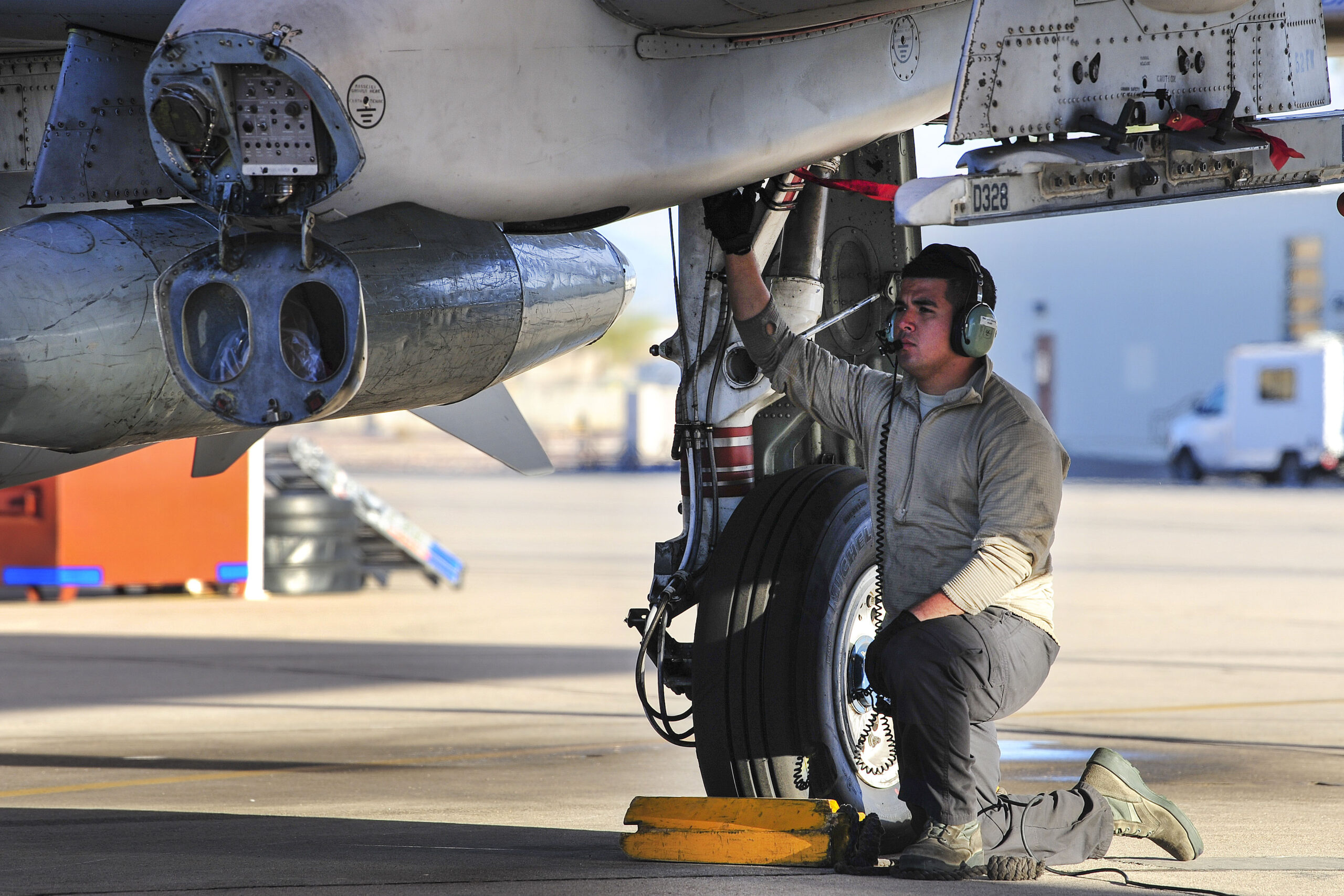
That work includes examining parts with the Defense Logistics Agency and identifying individual components that depots can return to the field.
The supply problem has become substantially more severe during the past seven years.
Hurry said the supply rate, or the number of aircraft unavailable because of supply problems, increased 87% over that period.
MORE NEWS: Country With Policies the Democrat Socialists Want to Implement Just Plunged Into Darkness
The age of the fleet further complicates the service’s maintenance and parts demands. On average, around 53% of the fleet is more than 30 years old, while 55% has exceeded what Hurry described as its “useful” service life.
The Air Force is seeking more spare parts funding by advocating for passage of its budget request.
In the fiscal year 2027 budget, the Department of the Air Force requested a record $338.8 billion, according to budget documents.
Of that request, $4.2 billion is allotted for the Consolidated Sustainment Activity Group, known as CSAG. The group manages spare parts and maintenance backlogs that have become central to the service’s readiness concerns.
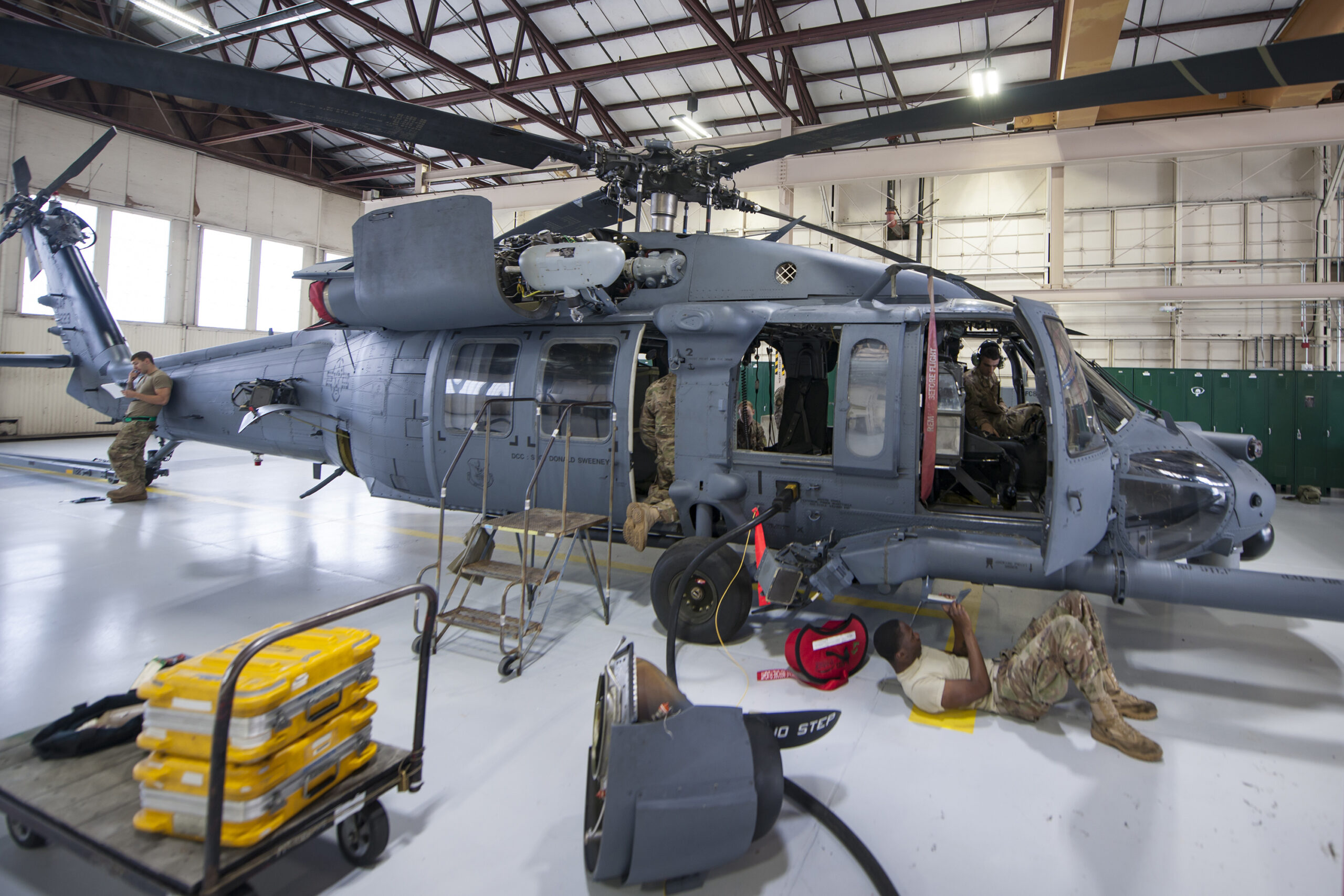
Even limited funding will require immediate preparation from the service, Hurry said. “But once we get even a penny, we have to be ready to execute it,” she said.
The Air Force is also working to improve its “forecasting accuracy” so it can better identify needs and determine where assets should be positioned around the world.
Hurry said the service is using artificial intelligence models and additive manufacturing as part of that effort.
Long duration contracts are another piece of the strategy because officials want greater stability across the supply chain.
The service is also pursuing multiple suppliers rather than depending on a single producer for a critical component.
“Gone are the days of monopolies; we can’t just have one person producing the one critical part,” Hurry said.
“I need five [industry partners] producing them because if we get down to the crunch, we’re going to have to have a healthy shelf so that we can fight globally.”
Officials pointed to the North Star Readiness Campaign as evidence that concentrated sustainment efforts can improve aircraft availability.
The campaign is intended to increase the number of mission capable B-52 Stratofortress and B-1 Lancer aircraft by speeding the delivery of parts, engineering support and depot maintenance.
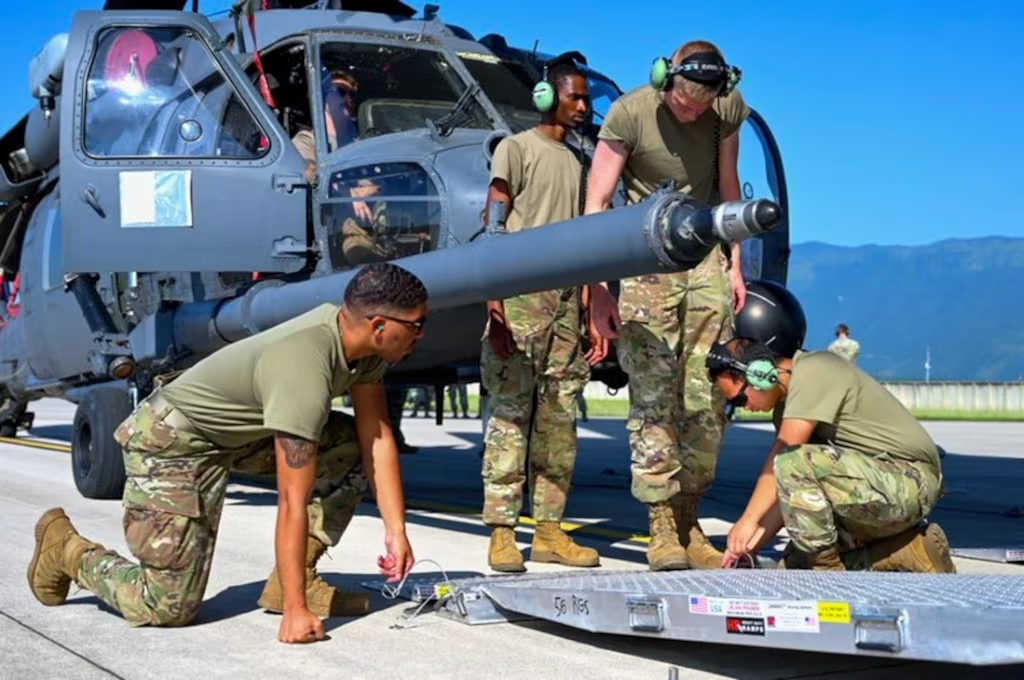
Gen. Stephen L. Davis, commander of the Air Force Global Strike Command, called the campaign the “number one driver” of improving readiness across the bomber fleet.
He attributed that progress to the supply increase the force has received through the campaign.
Davis said the North Star Readiness Campaign has increased B-52 readiness by 40%. Despite commanders’ desire to solve readiness problems through more than spending alone, he said this particular shortfall requires additional funding for parts.
“As a commander, you don’t want everything to be a money problem to solve it, but this I think is a money problem,” Davis said.
“We need more money for parts. It’s absolutely the case.”
Are you feeling overwhelmed or hopeless right now? Have you been withdrawing from people or activities you usually enjoy? Are you having thoughts about hurting yourself, or feeling like things will never improve?
You do not have to handle those feelings alone. Support is available, and talking to someone can make a difference. You can reach out to the 988 Suicide & Crisis Lifeline by calling or texting 988, or by chatting online at 988lifeline.org. Trained counselors are available 24 hours a day to listen and help.
If you believe someone is in immediate danger, call emergency services right away. Even a small step, like reaching out to a trusted friend, family member, or professional, can help create a path forward.
The opinions expressed by contributors and/or content partners are their own and do not necessarily reflect the views of Conservative Scoop. Contact us for guidelines on submitting your own commentary.
Leave a comment
COMMENTS POLICY: We have no tolerance for messages of violence, racism, vulgarity, obscenity or other such discourteous behavior. Thank you for contributing to a respectful and useful online dialogue.