WHAT YOU NEED TO KNOW
- The Army grounded roughly 400 AH-64E Apaches over renewed concerns involving Improved Drive System transmissions.
- The latest action marks the Apache fleet’s second safety related grounding in two months.
- At least four AH-64Es have experienced major mishaps since last October, including one involving a “catastrophic transmission failure.”
- The pause could last months while inspections, technical assessments and corrective actions continue.
The Army has grounded more than half of its AH-64E Apache attack helicopter fleet after renewed concerns surfaced around the Improved Drive System transmission. The order removes roughly 400 Apache E model helicopters from flight operations and reaches attack aviation units across the service.
Officials announced Friday an “immediate, temporary pause in flight operations” for AH-64E aircraft equipped with the transmissions. The latest action is the second safety related grounding for the Army’s frontline attack helicopter in two months.
The earlier halt began in August and lasted just over a week. That pause followed an accident outside Fort Hood, Texas, that killed two AH-64E pilots, while the duration of the new grounding remains uncertain.
An Army official told Task & Purpose that the current pause could last months. In its release, the Army said inspections and “corrective actions” will be conducted across the affected Apache fleet during the pause.
The roughly 400 grounded helicopters represent a significant share of the overall inventory. A Congressional Budget Office report placed the Army’s Apache fleet at around 700 aircraft in 2023, giving the suspension broad reach across attack aviation.
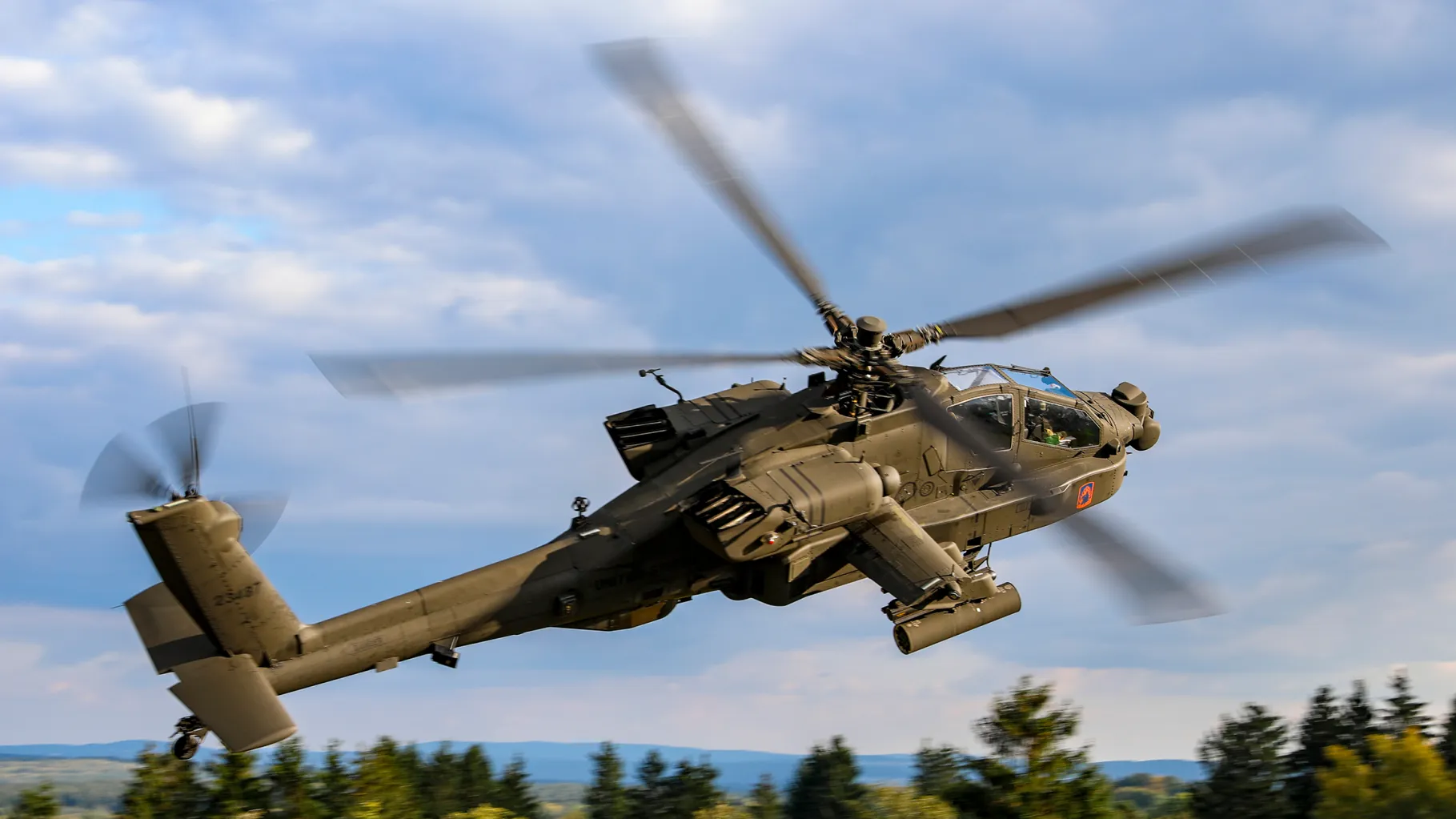
“This action follows ongoing Army technical and airworthiness assessments of the Improved Drive System transmission, including information developed through prior Safety of Flight actions, inspection results, maintenance reporting, and ongoing engineering analysis,” officials said in the release.
The Army said the assessment draws on earlier Safety of Flight actions as well as inspection findings, maintenance reports and continuing engineering analysis. Officials did not provide a firm public timeline for completing that work.
Safety data have added to the concern surrounding the E model. Since last October, at least four AH-64Es experienced major mishaps while flying, according to statistics published in the September 2026 edition of FlightFax, the Army’s official aviation magazine.
All other Army helicopter types combined experienced three similarly large accidents during that period, according to the source. Military aviation categorizes those events as Class-A mishaps, the highest severity level, covering accidents involving loss of life, permanent disability to crew members or others, or at least $2.5 million in damage.
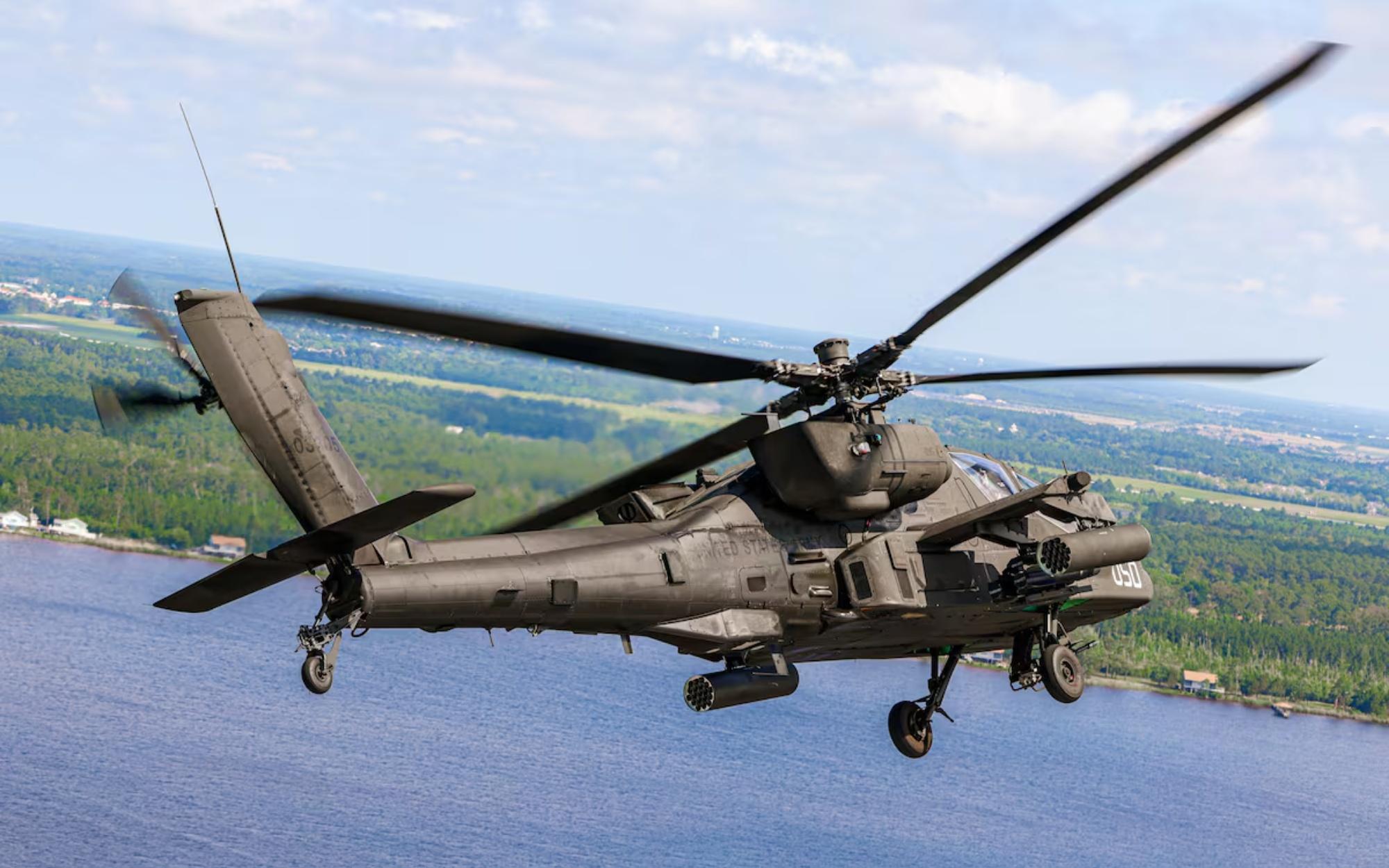
The causes of the four major Apache mishaps have not been publicly released. FlightFax did note that one Class-A mishap involved what the magazine described as a “catastrophic transmission failure.”
Defense One reported that an internal Army investigation indicated that “some” Apaches with the improved drive system transmissions “can experience an internal failure resulting in loss of accessory gearbox drive, which can result in loss of tail rotor thrust, electrical power, and hydraulics.”
The AH-64 traces its design to the 1970s, when it was developed for close air support and tank killing missions. The Army began operating the helicopter in 1986, and the AH-64E became the latest and final planned version.
The E model was first delivered to the Army in 2011. Boeing builds the Apache and has described its engine transmission upgrades as a means to increase aircraft range and maximize available power.
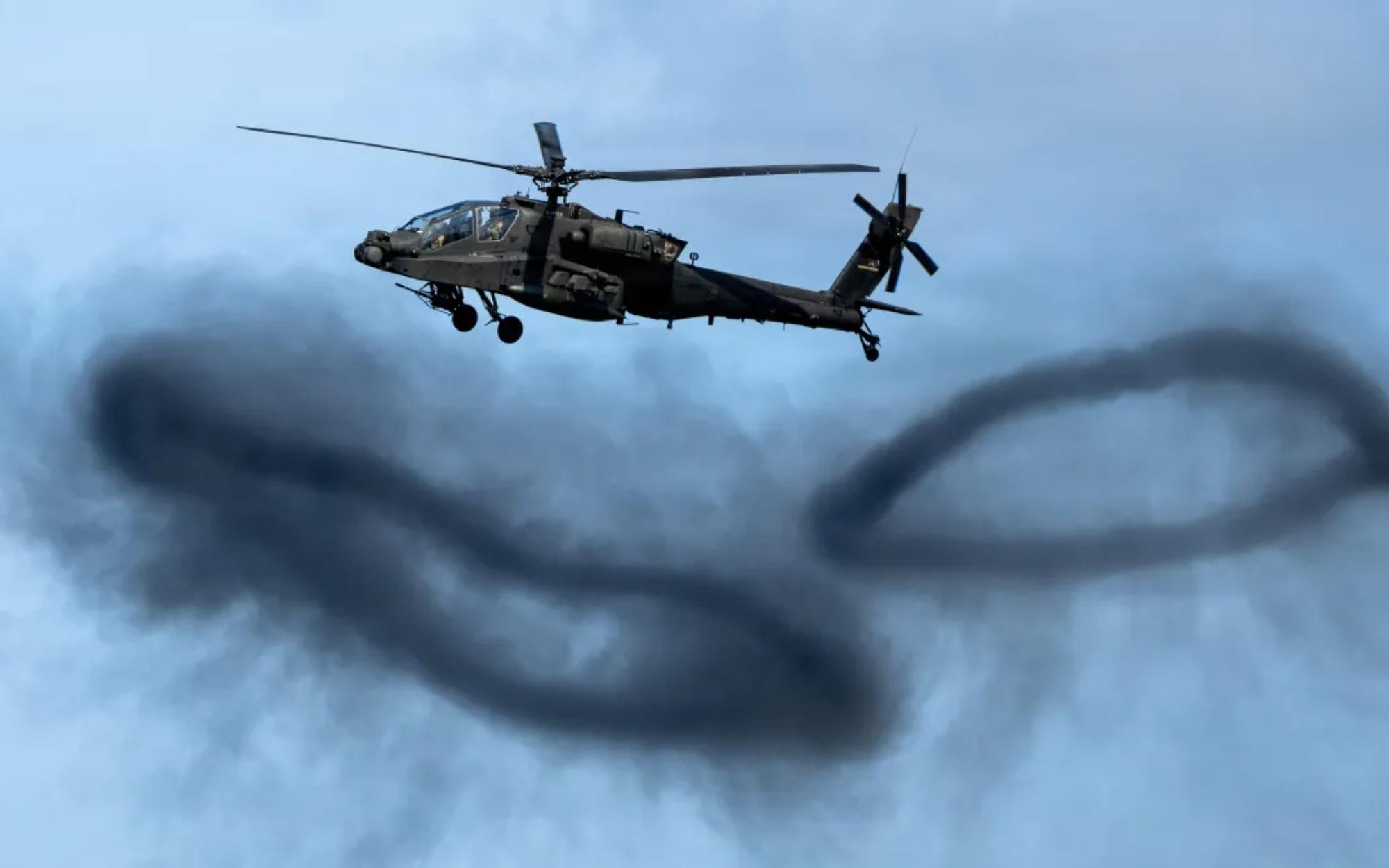
The latest Apache pause arrives as Army aviation confronts major cuts across its corps while the service shifts toward more drones. It also follows an increase in Army aviation accidents in 2024, along with multiple groundings and additional safety training.
For now, affected units face inspections, technical reviews and corrective work while hundreds of frontline attack helicopters remain parked. The Army has not publicly set an end date for the pause.
The opinions expressed by contributors and/or content partners are their own and do not necessarily reflect the views of Conservative Scoop. Contact us for guidelines on submitting your own commentary.
Leave a comment
COMMENTS POLICY: We have no tolerance for messages of violence, racism, vulgarity, obscenity or other such discourteous behavior. Thank you for contributing to a respectful and useful online dialogue.