WHAT YOU NEED TO KNOW
- RTX’s Raytheon won a Navy contract worth up to $24.4 billion to produce SM-6 interceptors.
- The five year agreement includes two additional option years and seeks to provide a reliable missile supply.
- The award follows major AMRAAM and Patriot agreements intended to increase munitions production.
- Industry executives warn that Congress has not appropriated funding needed for investments in components and facilities.
- RTX says it has expanded its skilled workforce, strengthened industrial partnerships and automated production.
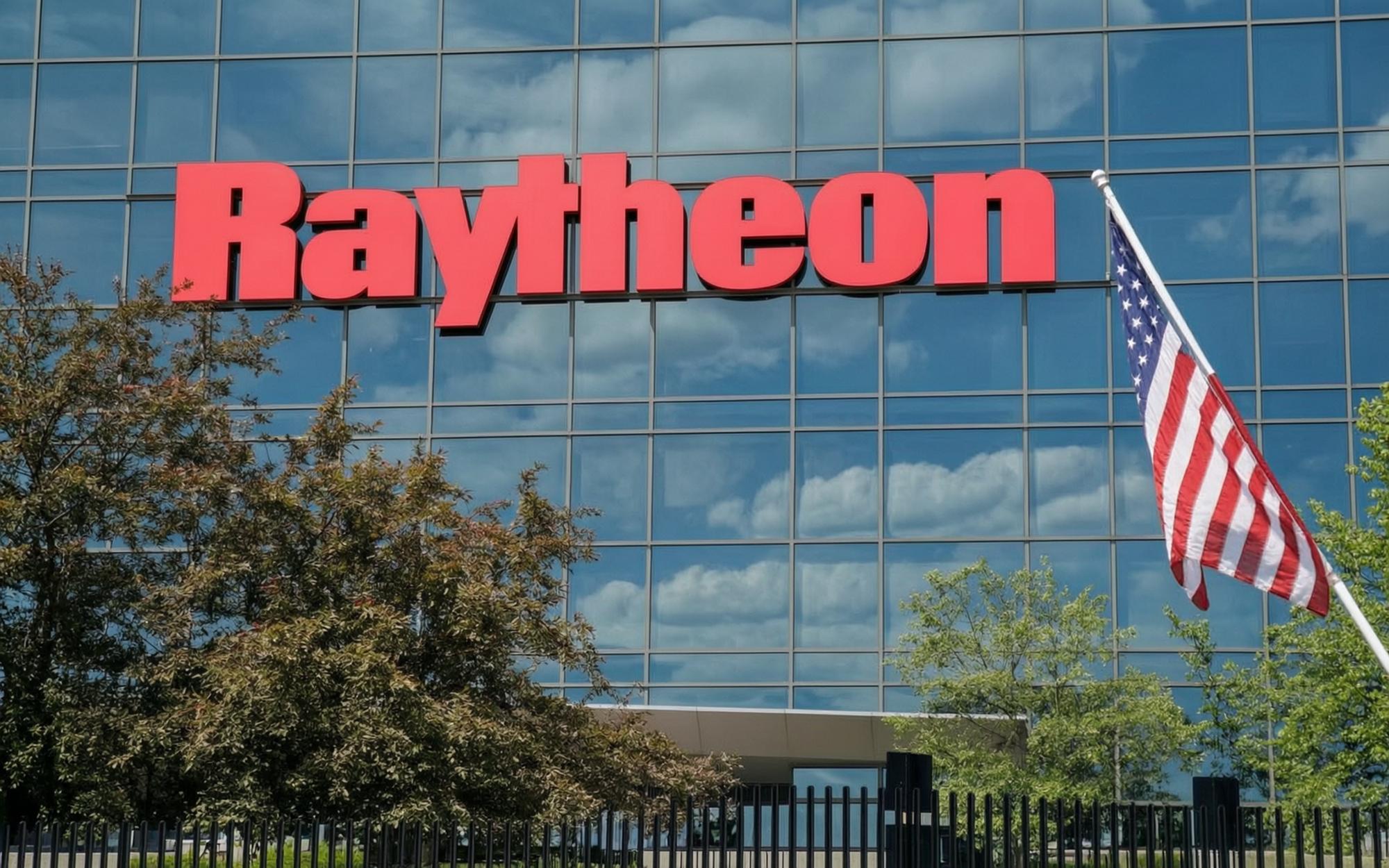
RTX’s Raytheon unit has secured a multiyear contract worth up to $24.4 billion to manufacture Standard Missile-6 interceptors for the U.S. Navy. The service announced the award Thursday as the Pentagon seeks to rebuild munitions stockpiles depleted by conflicts in the Middle East.
The agreement covers five years of production and includes two additional option years, according to the Navy. Its stated purpose is to establish a steady and reliable supply of the SM-6 for the fleet.
That production stability matters because the SM-6 is designed to handle both offensive strikes and missile defense missions. The contract therefore covers a weapon with multiple roles rather than an interceptor limited to a single type of operation.
The Navy’s award is the latest in a series of major munitions agreements pursued by the Pentagon this year. Those deals are intended to put pressure on contractors to increase output while replenishment remains a priority.
MORE NEWS: Tim Burchett Vows to Bar Socialist Darializa Avila Chevalier from Congress Over Flag Napkin Disgrace
The SM-6 agreement follows a provisional multiyear deal worth $20.7 billion for Raytheon’s AMRAAM air-to-air missiles. That arrangement was reached in late September, placing another major Raytheon missile program within the broader production push.
Lockheed Martin also received a $58.6 billion Patriot interceptor deal in July. Together, the SM-6, AMRAAM and Patriot agreements represent three sizable efforts centered on increasing the production of important munitions.
The production agreements are structured to encourage contractors to move faster while surging output. The approach relies on large, longer term commitments to give manufacturers a basis for expanding the industrial capacity needed to deliver more weapons.
The contracts are part of a broader Trump administration push to place weapons production ahead of shareholder returns. That priority has focused attention on whether contractors can expand their operations quickly enough to meet rising demand.
Even with the enormous announced values, industry executives have identified a major unresolved issue. Congress has not yet appropriated funding for the deals, according to those executives, leaving contractors without certainty that the money required for large investments is available.
Until lawmakers act, contractors may be unable to invest at scale in facilities and components. That warning places congressional funding decisions directly alongside the Pentagon’s effort to use major production agreements to accelerate manufacturing.
RTX, meanwhile, has said it already has invested heavily in an effort to keep pace with increasing demand. The company’s work has included expanding the skilled workforce needed to support missile production and strengthening partnerships across the defense industrial base.
The company also has automated production as part of that effort. RTX says those steps are intended to increase output significantly for both near term and long term requirements.
Raytheon describes the SM-6 as the only combat proven weapon capable of performing anti-air warfare, anti-surface warfare and ballistic missile defense. Those capabilities give the missile a combination of offensive and defensive functions within a single system.
The SM-6 has been fired from multiple types of Navy ships, according to Raytheon. It also has been launched from systems based on land, demonstrating that its use is not confined to ships alone.
The potential $24.4 billion value makes the Navy award another substantial component of the Pentagon’s munitions production campaign. Its five year structure, plus two possible option years, is designed to provide the dependable supply the service says it needs.
For now, Raytheon holds a major opportunity to produce more SM-6 interceptors while RTX continues investing in workers, partnerships and automation. The remaining funding question rests with Congress, whose appropriations will determine whether contractors can make investments at the scale industry executives say is necessary.
The opinions expressed by contributors and/or content partners are their own and do not necessarily reflect the views of Conservative Scoop. Contact us for guidelines on submitting your own commentary.
Leave a comment
COMMENTS POLICY: We have no tolerance for messages of violence, racism, vulgarity, obscenity or other such discourteous behavior. Thank you for contributing to a respectful and useful online dialogue.