WHAT YOU NEED TO KNOW
- Navy Expeditionary Combat Command is being renamed Commander, Navy Expeditionary Forces to better reflect its mission and capabilities.
- The command will retain oversight of explosive ordnance disposal, maritime expeditionary security, naval construction and expeditionary logistics forces.
- Daily operations will remain unaffected as the Navy expands autonomous systems and subsea warfare capabilities.
- The command will improve training, certification, standards, assessment and oversight for security forces supporting installations, ports and ships.
The Navy announced Thursday that it is renaming the command responsible for current and future readiness across a range of combat missions. Navy Expeditionary Combat Command will now be known as Commander, Navy Expeditionary Forces.
Chief of Naval Operations Adm. Daryl Caudle announced the change in a message to the service. He said the new name more accurately describes the command’s capabilities and its central responsibilities within the Navy.
The updated title places a direct emphasis on the expeditionary forces that the command prepares and provides. Those sailors and units are trained and equipped for employment by operational commanders around the world.
“The name Commander, Navy Expeditionary Forces better reflects the command’s core responsibility to man, train, equip, certify, and generate expeditionary Sailors and units for employment by operational commanders worldwide,” the message said.
MORE NEWS: Super PAC Cash Floods Hochul Reelection Push to Bury Blakeman and Box Out Radical Democrats
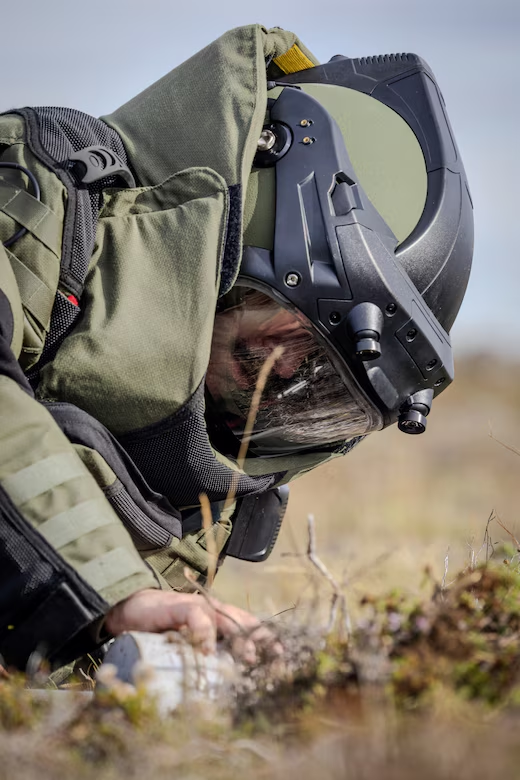
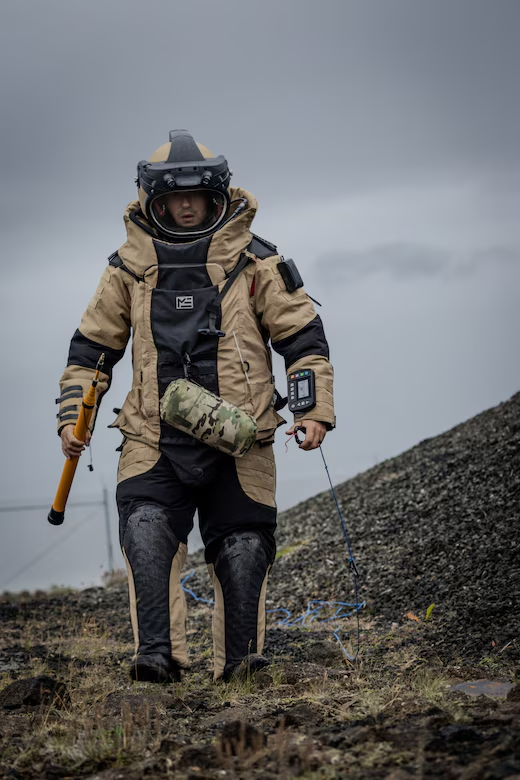
The renamed command will retain oversight of explosive ordnance disposal forces. It will also continue overseeing maritime expeditionary security, naval construction forces and expeditionary logistics forces.
The announcement does not alter the daily operations of the command’s expeditionary units. Those units will continue carrying out their existing responsibilities even as the command adopts a title intended to better represent its broader mission.
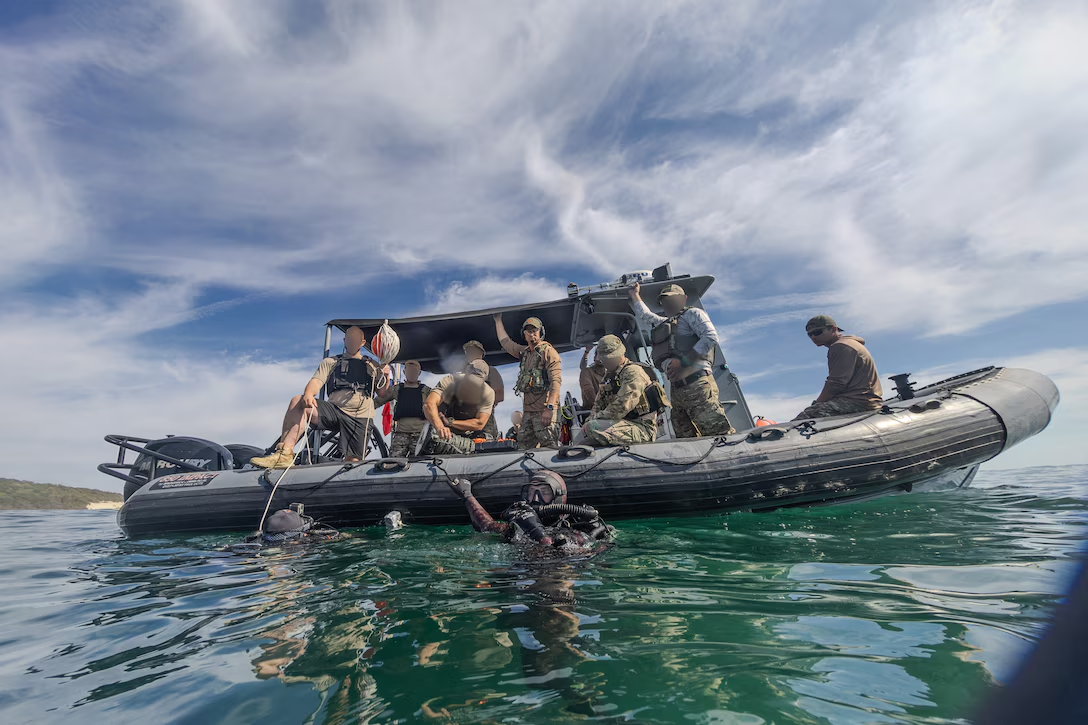
Caudle tied the name change to the command’s increased relevance as naval warfare continues to evolve. The Navy is investing in autonomous systems and in the ability to deploy those systems from expeditionary locations.
That investment places greater importance on forces capable of operating and supporting technology from expeditionary sites. According to Caudle, the revised name reflects the command’s role as those capabilities become more relevant to the service.
Commander, Navy Expeditionary Forces will also continue helping the Navy expand its subsea warfare capabilities. The command’s work is intended to help developing technology move toward deployment across the fleet.
The focus on subsea warfare connects the command’s expeditionary mission with technology now under development. Caudle said that technology will soon be capable of deployment fleet wide as the Navy expands those capabilities.
MORE NEWS: Anaheim Mayor Accused of Turning City Hall Into a Booze Fueled Circus of Slurs and Harassment
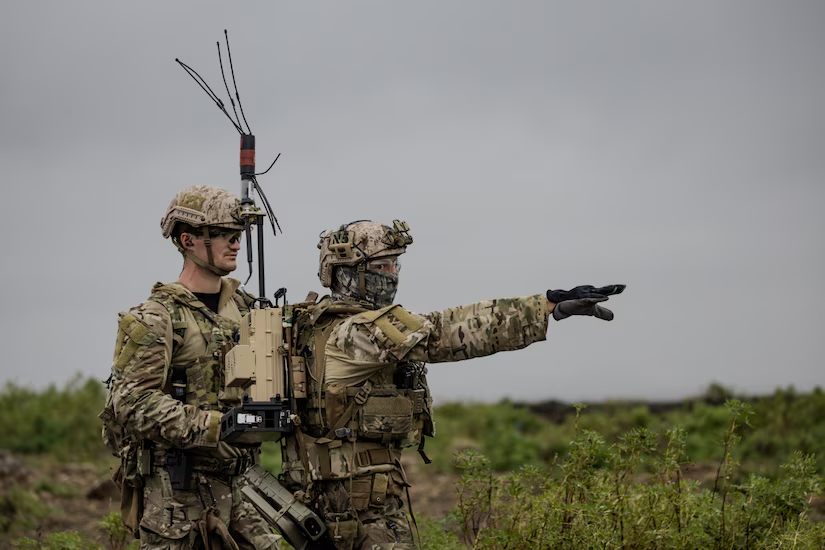
The renamed organization will be used to improve standards, training, certification, assessment and oversight. Those responsibilities are part of the Navy’s effort to regularly provide security forces where they are needed.
Those security forces will be provided to installations, ports and ships, Caudle said. The command’s responsibilities therefore extend from preparing individual sailors and units to maintaining the standards used to evaluate their readiness.
Training and certification remain central parts of the command’s mission under the new name. Assessment and oversight will likewise continue as the Navy works to generate expeditionary forces for operational commanders worldwide.
The announcement makes clear that the command’s established missions are staying in place. Explosive ordnance disposal, maritime expeditionary security, naval construction and expeditionary logistics will remain under its oversight.
At the same time, the title Commander, Navy Expeditionary Forces is intended to describe the organization through the forces it generates. The Navy said the name better captures its responsibility to man, train, equip and certify expeditionary sailors and units.
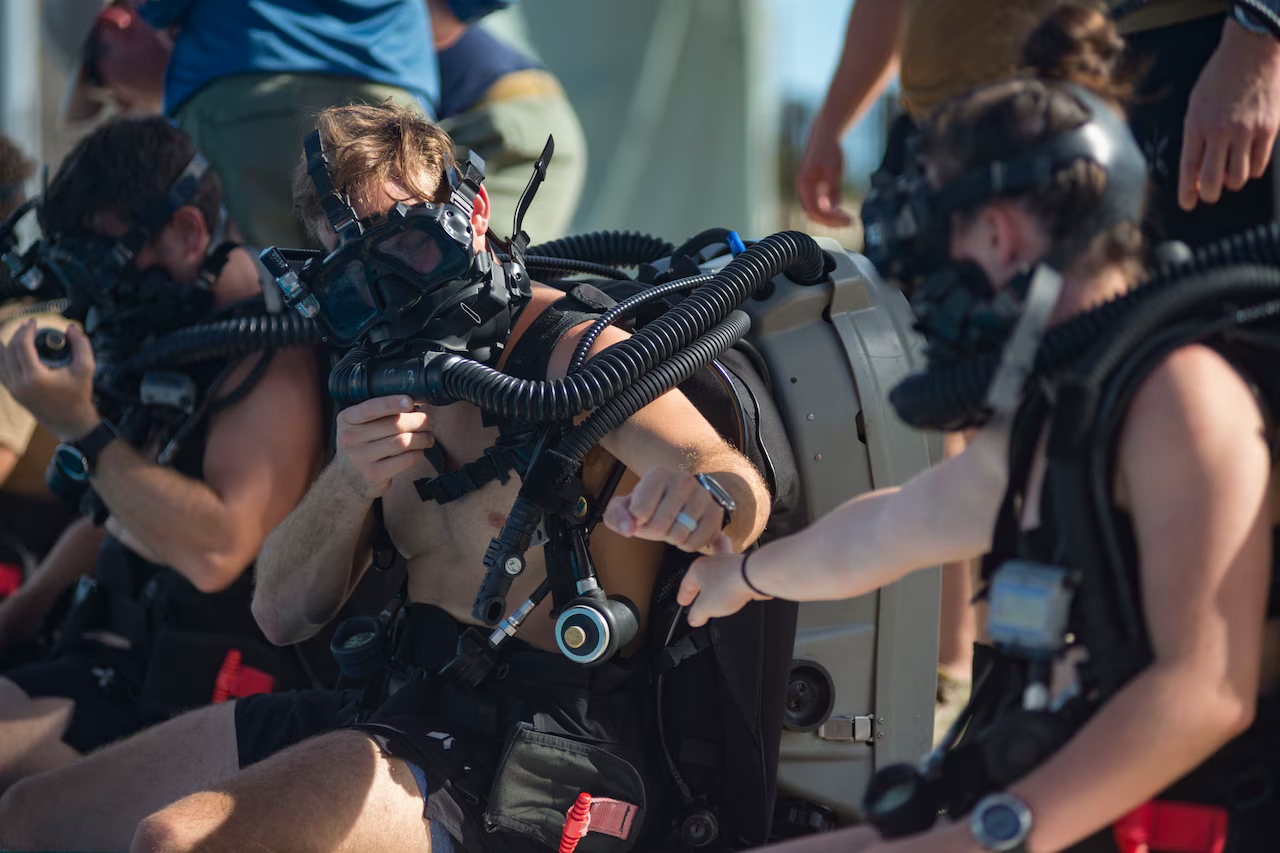
Caudle’s message also connected the command’s future relevance to autonomous systems that can operate from expeditionary locations. The command will support that evolving mission while continuing its existing work across security, construction, logistics and explosive ordnance disposal.
The new designation reflects the Navy’s stated focus on both present readiness and developing capabilities. Daily operations will remain unaffected, but the command’s name will now directly identify the expeditionary forces it prepares for worldwide employment.
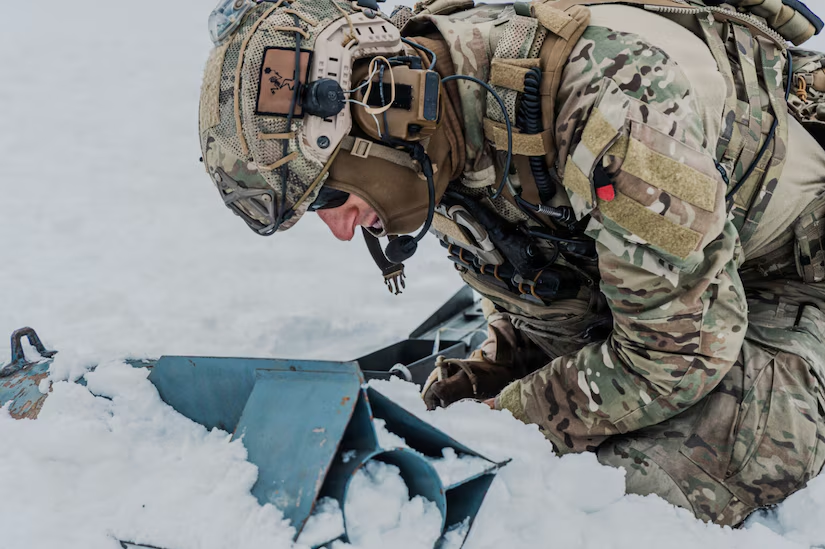
Commander, Navy Expeditionary Forces will continue serving operational commanders by generating trained and certified sailors and units. Its mission will also include helping advance subsea warfare technology and strengthening the standards used to provide security forces to ships, ports and installations.
The opinions expressed by contributors and/or content partners are their own and do not necessarily reflect the views of Conservative Scoop. Contact us for guidelines on submitting your own commentary.
Leave a comment
COMMENTS POLICY: We have no tolerance for messages of violence, racism, vulgarity, obscenity or other such discourteous behavior. Thank you for contributing to a respectful and useful online dialogue.