WHAT YOU NEED TO KNOW
- The Trump administration released a comprehensive plan addressing cyber and physical threats to election infrastructure during the 2026 midterms.
- CISA recommends considering reviewable paper ballots and conducting manual audits before officials certify final results.
- The voluntary plan offers state and local election partners technical expertise, vulnerability scanning, training, exercises, and regional assistance at no cost.
- The administration says CISA has recommitted to protecting critical infrastructure after criticism of its censorship activities during the Biden administration.
The Trump administration has released a comprehensive election security plan that officials can use to protect the voting process during the upcoming midterms, as reported by Red State.
The 2026 Election Infrastructure Security Plan addresses both cyber and physical threats facing election systems.
The Federalist obtained the 13-page document, which was produced by the Cybersecurity and Infrastructure Security Agency under the Department of Homeland Security.
The plan outlines tools, services, and recommendations available to election officials preparing for the 2026 contest.
In July 2026, DHS Secretary Markwayne Mullin tasked CISA with developing the plan to help election partners combat attacks against election infrastructure.
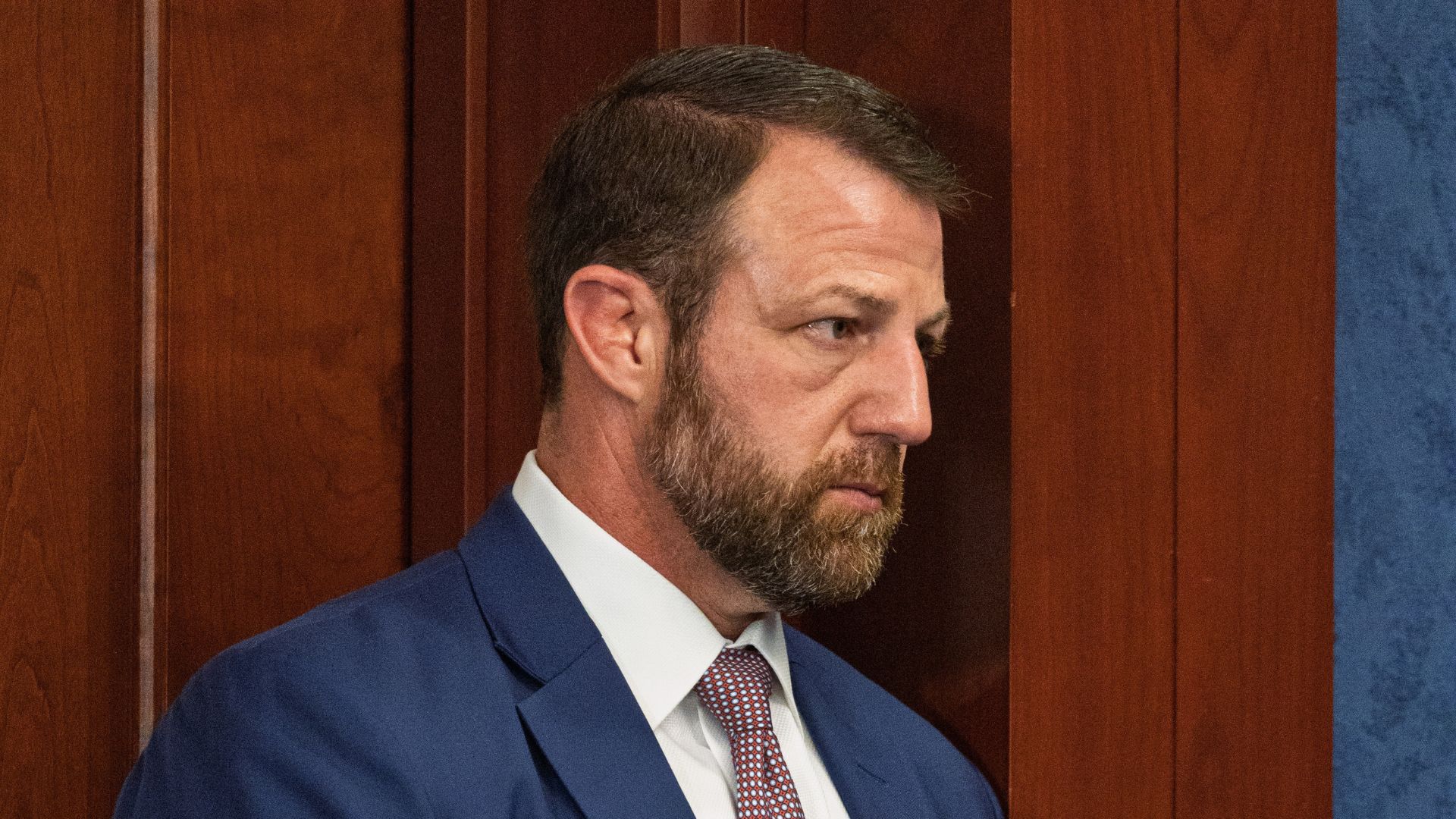
The administration says the resulting framework will be fully implemented.
“Election security is national security,” Mullin said in a statement.
“This plan, which will be implemented in full, is crucial to the security, freeness, and fairness of choosing the leaders of our country.”
Mullin also connected protecting elections with the administration’s broader public safety agenda.
“Making America safe again isn’t just done at the border, in our streets, and on the coast — it’s also done in protecting the integrity of American elections.”
The document begins with an overview of election infrastructure, including voting and processing facilities as well as voting hardware.
It also examines technological components such as voter registration systems and tabulation systems used during a typical election.
From there, the plan identifies potential dangers that officials could encounter during the midterms.
Those threats include attempted cyber intrusions targeting state voter registration databases and bomb threats directed at election offices.
The administration’s guidance recommends that election officials consider paper ballots “that can be easily reviewed to ensure transparency, auditability, and resilience against software failures or manipulation.”
The recommendation is presented as an option for reducing cyber vulnerabilities and improving confidence in election systems.
The plan also urges officials to “[c]onduct post-election manual audits of paper ballots to verify that voting systems function properly and to identify errors before certifying the final results.”
These audits would provide another method for checking voting systems before certification.
Critically, the plan offers guidance rather than a federal mandate.
State and local election partners requested and welcomed the assistance, according to the source material, undercutting the predictable panic from critics eager to portray every election security measure as sinister.
At the request of state and local officials, election officials, and vendors, CISA provides voluntary cyber and physical security assistance at no cost.
Available services include technical expertise, vulnerability scanning, training, and exercises.
CISA regional teams work with partners across the country by assessing risks and helping participating entities strengthen their defenses.
Those teams also assist with improving resilience and responding promptly when threats emerge.
The plan states that CISA “has recommitted to its statutory mission and remains resolute in strengthening the security of election infrastructure, as with all critical infrastructure sectors.”
It adds that DHS has consistently supported CISA’s delivery of cybersecurity and physical security services to election officials.
That focus represents a sharp turn from CISA’s role during the Biden administration.
MORE NEWS: Trump Rally Shooting Survivor James Copenhaver Passes Away After Agonizing Injury Complications
The agency was previously described as the “nerve center” of a censorship industrial complex that targeted Americans’ speech instead of concentrating on cybersecurity and election integrity.
A 2023 House GOP report found that CISA had “metastasized” into a tool used in federal “domestic surveillance and censorship operations on social media.”
Another House report released later that year said CISA worked with Stanford University to pressure Big Tech companies to censor prominent conservative voices before the 2020 election, including The Federalist’s Mollie Hemingway and Sean Davis.
The source also points to controversies involving the Disinformation Governance Board, Nina Jankowicz, Hunter Biden’s laptop, the Wuhan lab, COVID information, vaccines, and whistleblowers.
The criticism is that CISA was diverted from safeguarding infrastructure and used to control the flow of information.
Election infrastructure was designated as a subsector within the Government Services and Facilities Sector during the first Trump administration.
The new plan returns attention to cyber protection, physical security, paper ballots, voluntary assistance, and audits as officials prepare for the 2026 midterms.
The opinions expressed by contributors and/or content partners are their own and do not necessarily reflect the views of Conservative Scoop. Contact us for guidelines on submitting your own commentary.
Leave a comment
COMMENTS POLICY: We have no tolerance for messages of violence, racism, vulgarity, obscenity or other such discourteous behavior. Thank you for contributing to a respectful and useful online dialogue.