WHAT YOU NEED TO KNOW
- Littoral combat ships recorded the highest average sailor burnout, while mine countermeasure vessels reported the greatest job stress.
- Sailors averaged 5.4 hours of sleep underway despite reporting they needed 7.7 hours to feel rested.
- Napping was associated with lower odds of high job stress and impaired functioning, but very frequent naps could signal deeper fatigue problems.
- Administrative sailors reported the most burnout, while engineers experienced the highest average job stress.
A new study using survey responses from nearly 16,000 sailors identifies which ship classes and Navy jobs report the worst burnout, stress, fatigue, and sleep problems.
The findings also highlight the operational value of napping when full nightly rest is simply unavailable.
The study, “Snoozing While Cruising: Nap Frequency as a Fatigue-Management Indicator and Risk Marker in Naval Operations,” appeared in the Journal of Sleep Research in late July.
Researchers used data from the Navy Afloat Climate Assessment Survey collected from 2021 through 2024.
The survey covered sailors aboard amphibious ships, cruisers, destroyers, littoral combat ships, and mine countermeasure vessels.
Aircraft carriers were excluded because of study timing, logistics, and available data, according to coauthor Anne Germain.
Across all demographic groups, sailors reported napping about 1.5 days each week. Average burnout reached 2.66 out of five, while job stress climbed to an alarming 3.77 out of five.
Sailors rated the degree to which fatigue affected or distracted them from their duties at 3.34 out of five.
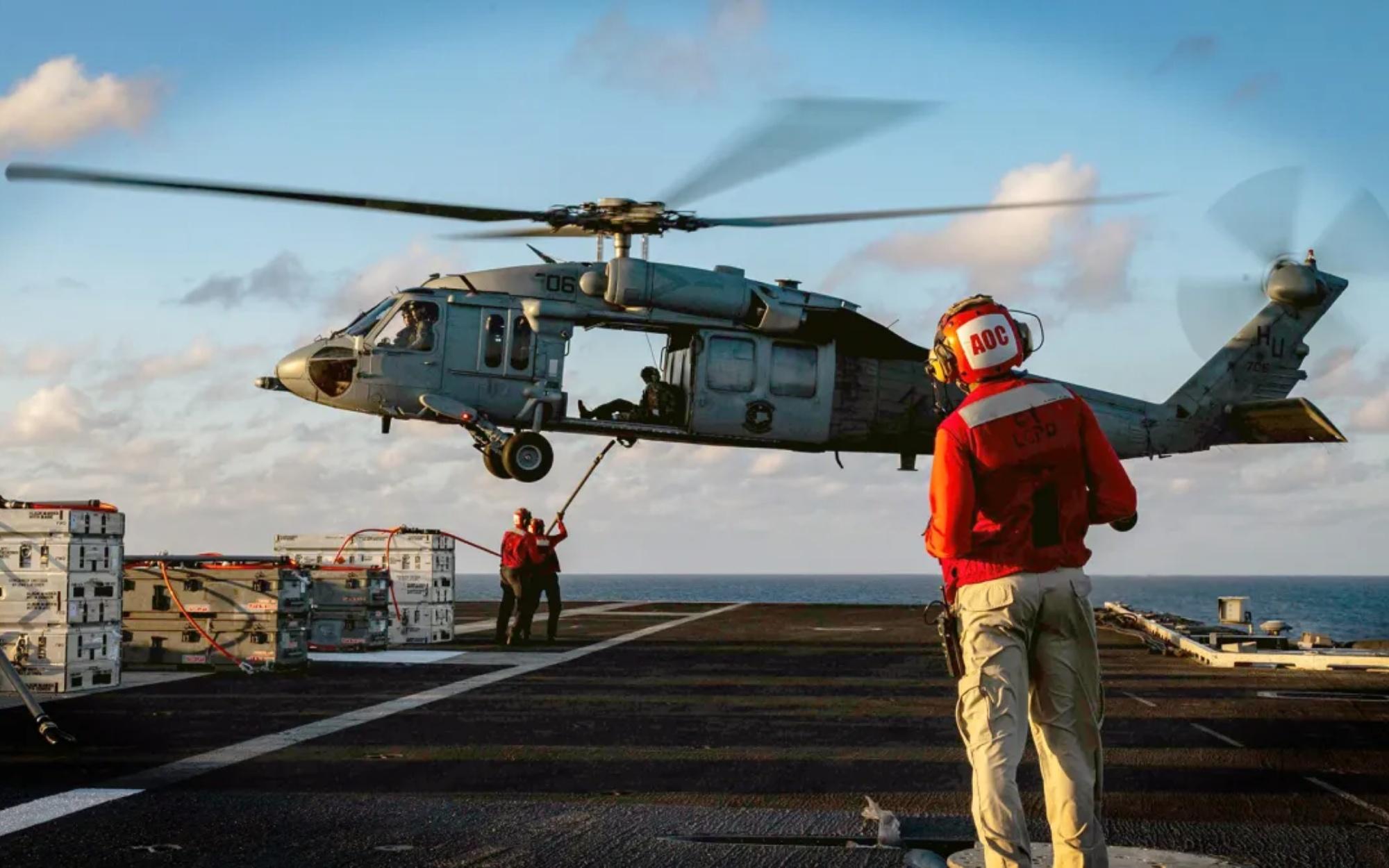
They reported nearly nine poor physical health days and about 14 poor mental health days each month, despite rating general health at 2.75 out of five.
Some ship classes clearly carried a heavier burden. Littoral combat ships, which operate with small crews, recorded the highest burnout score at 2.7 out of five, while cruisers posted the lowest average at 2.62.
Job stress was highest aboard mine countermeasure ships, reaching 3.87 out of five.
Amphibious ships recorded the lowest job stress among the surveyed classes at 3.59, though their sailors faced the largest average sleep debt.
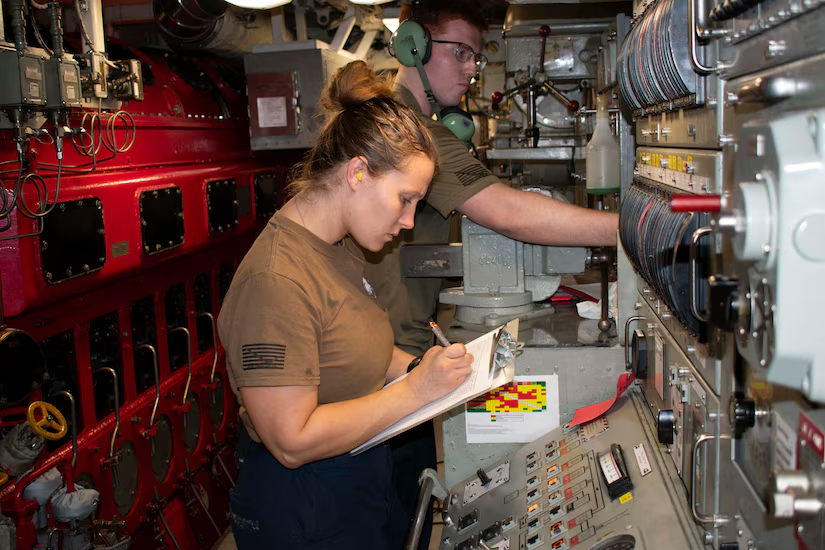
Nap frequency also differed by ship class. Cruiser sailors reported the highest rate at 1.61 naps each week, while sailors aboard mine countermeasure ships averaged just 1.27 and littoral combat ship crews averaged 1.32.
Those differences matter because the study indicates naps may reduce the effects of poor sleep while sailors are underway.
“Napping frequency was associated with lower odds of high job stress and impaired functioning, a pattern consistent with the broader experimental and operational literature suggesting that naps may support acute fatigue management when sleep opportunities are constrained,” the authors found.
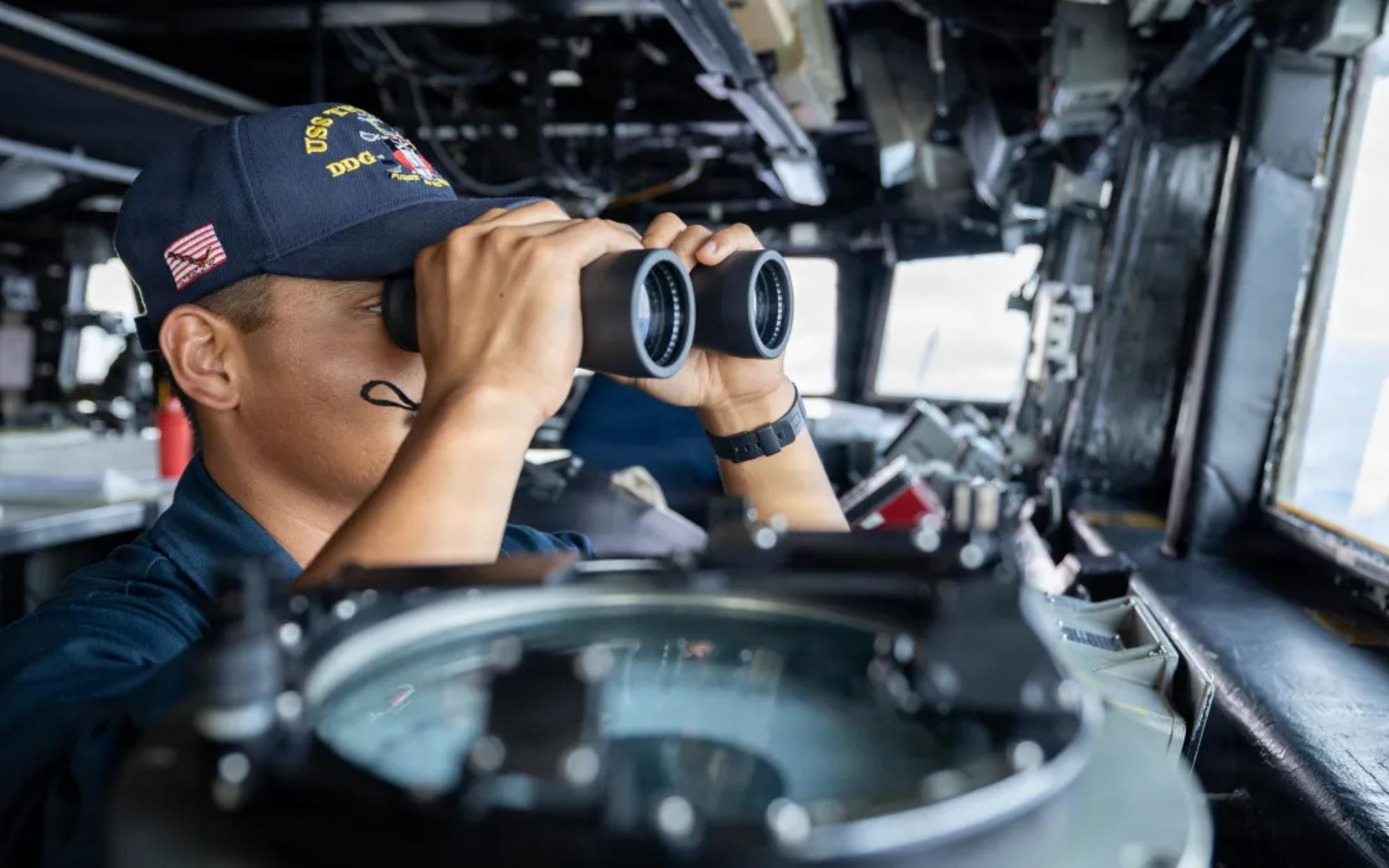
Frequent napping, however, may also serve as a warning sign. Sailors who napped at least five days each week were more likely to report an above average number of poor mental health days, potentially giving leaders an indication that additional rest opportunities are needed.
Germain, the founder and CEO of insomnia care center Noctem Health, described napping as a practical stopgap for deployed sailors who cannot consistently get eight hours of nightly sleep.
“We’re not solving it forever; we’re not eliminating the problem, because in the context, that’s not realistic,” she said.
“What is realistic is that we can have these micro-doses of sleep, micro-doses of very targeted intervention to give kind of a push for the next 12 hours, or the next six hours,” Germain said.
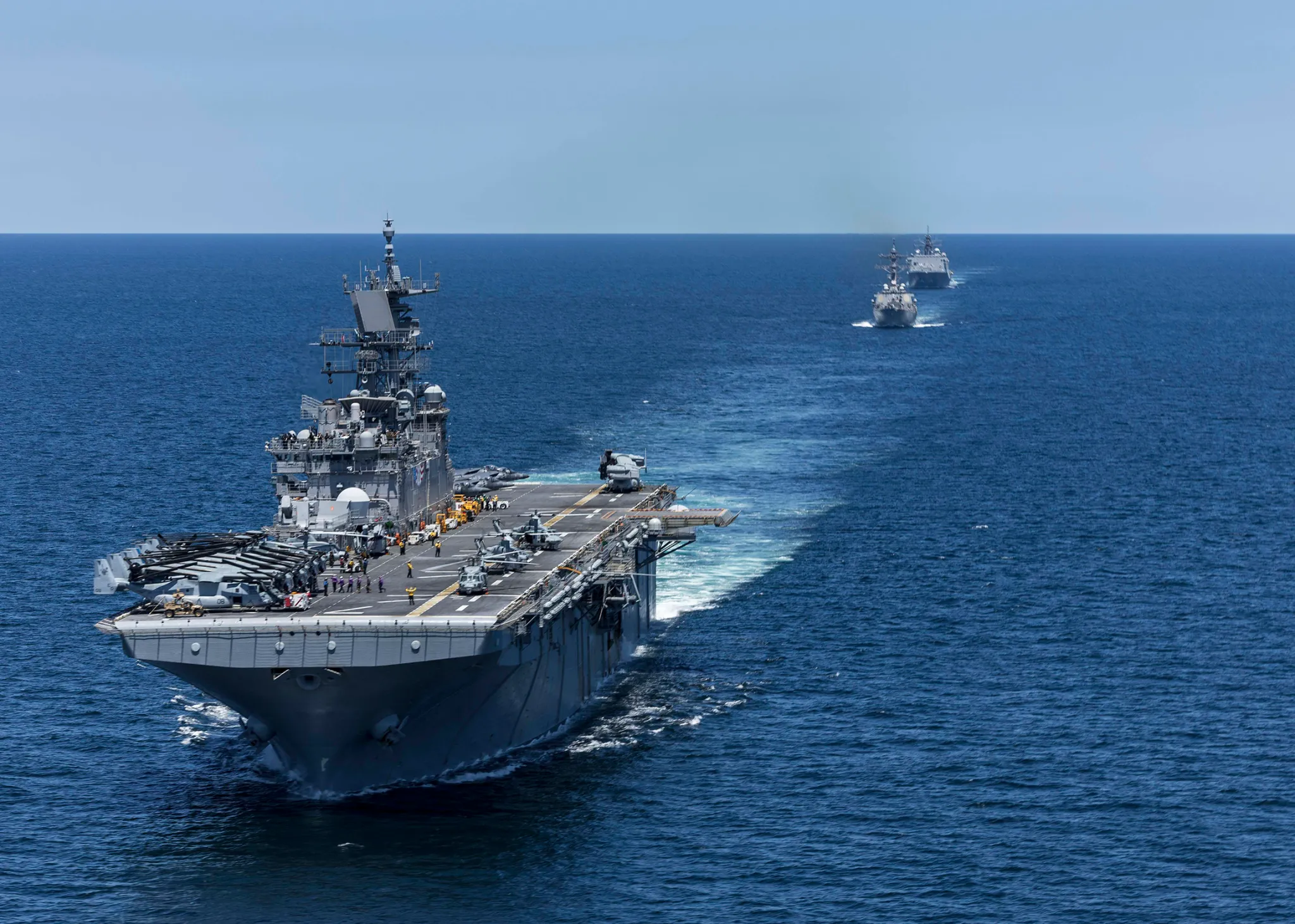
Sailors across the survey reported having 5.7 hours available for sleep each day while underway but actually sleeping about 5.4 hours.
Because they said they needed an average of 7.7 hours to feel rested, they accumulated a nightly deployment sleep debt of 2.3 hours.
Amphibious ship sailors reported the largest average sleep debt at 2.4 hours, while mine countermeasure vessel sailors recorded the smallest at two hours.
Germain attributed differences in burnout, stress, and napping rates among ship classes to their missions and requirements.
The results also varied across Navy job fields. Administrative sailors reported the most burnout at 2.85 out of five, engineers posted the highest job stress at 3.88, and deck sailors recorded the most naps at 2.14 days each week.
MORE NEWS: Trump Revives Supreme Court Immigration Battle After Hochul Pardon Sank First Case [WATCH]
Pay grade produced another split. Sailors in ranks E1-E3 reported the highest burnout, lowest job stress, and more than two nap days each week, while officers and the highest enlisted ranks reported greater job stress, fewer naps, and lower burnout.
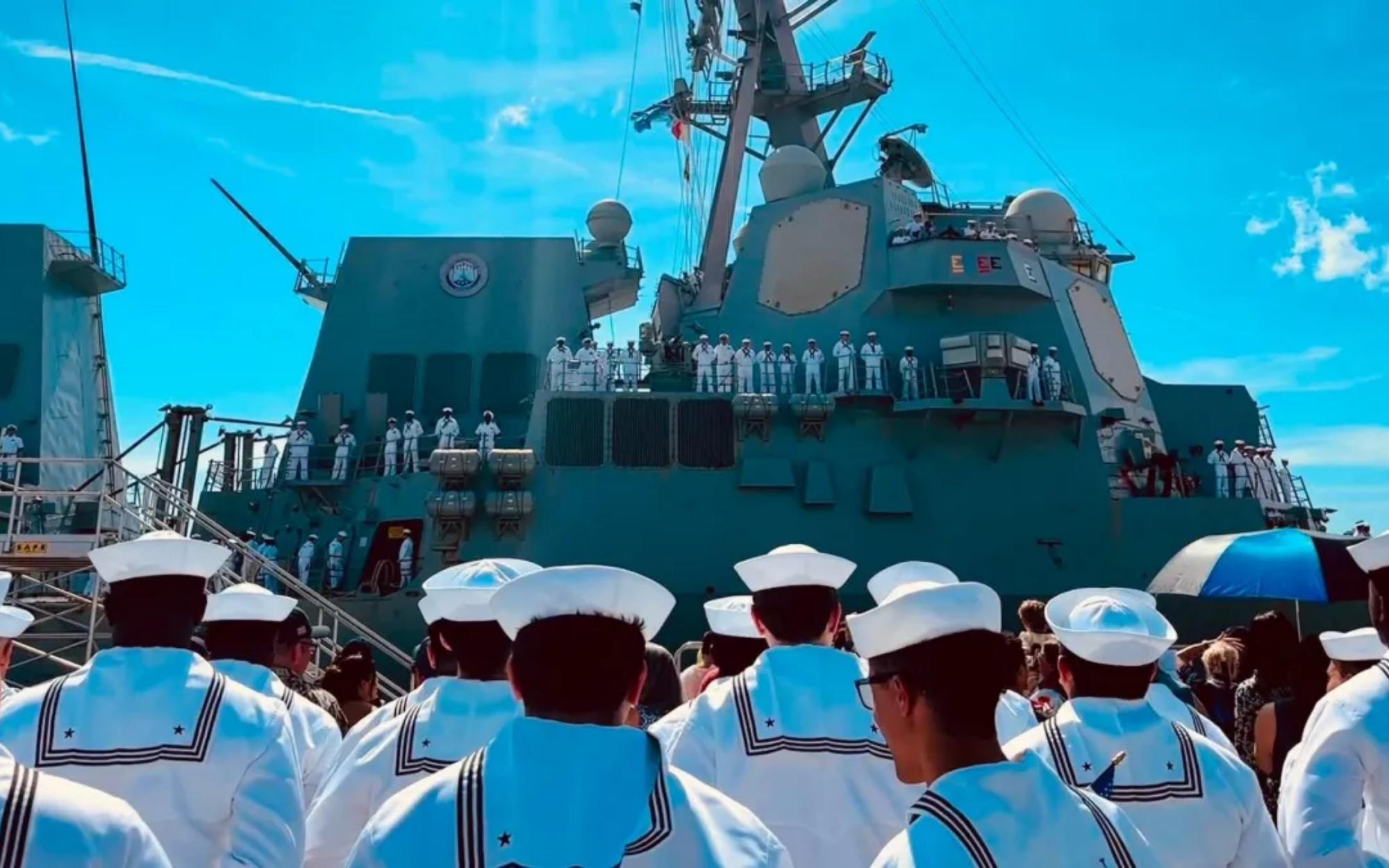
Germain and coauthor Dale Russell, a former director of research for Naval Surface Forces, completed the study for the Navy as part of a multiyear effort to improve crew rest and limit job impairment underway. The effort followed two deadly Navy destroyer collisions in 2017 that exposed the deadly consequences of crew fatigue.
The Navy is also supplying sailors with wearable devices that track rest and other vital signs, potentially helping leaders identify when intervention is necessary.
Germain said naps are “not a treatment,” but targeted sleep interventions can temporarily improve alertness and mitigate some challenges sailors face.
The opinions expressed by contributors and/or content partners are their own and do not necessarily reflect the views of Conservative Scoop. Contact us for guidelines on submitting your own commentary.
Leave a comment
COMMENTS POLICY: We have no tolerance for messages of violence, racism, vulgarity, obscenity or other such discourteous behavior. Thank you for contributing to a respectful and useful online dialogue.