WHAT YOU NEED TO KNOW
- The Air Force expects tanker recapitalization and modernization to continue for decades.
- The service is introducing KC-46 aircraft while modernizing and sustaining hundreds of KC-135 tankers.
- Officials identified connectivity, survivability, technical viability and spare parts availability as key fleet priorities.
- Industry cooperation could deliver tanker capability more quickly and at a lower cost, panelists said.
The U.S. Air Force expects to spend decades recapitalizing its aerial refueling tanker fleet while building new platforms and sustaining aircraft already carrying the mission, service leaders and industry partners said Tuesday.
Officials said the service must keep spare parts available and continue aircraft modernization to support its tankers and anticipated mission capability rates.
The issue was discussed during a panel at the Air & Space Forces Association’s 2026 Air, Space & Cyber Conference.
“The last KC-135 pilot has not been born,” Air Mobility Command Deputy Commander Maj. Gen. Gerald Donohue said during the panel.
The panel was titled “Long-Range Airpower: Lessons from Midnight Hammer and Epic Fury.”
Donohue said the long modernization timeline means the Air Force cannot neglect older aircraft while it introduces newer platforms.
“That is just a statement of fact when you consider the time it takes to modernize, and so we will have to sustain our legacy platform as well as our newest platforms, and ensure that the joint force is supported by being able to execute the mission,” he continued.
The tanker force primarily operates two aircraft.
They are the legacy KC-135 Stratotanker and the next generation KC-46A Pegasus, which is in the first phase of recapitalization.
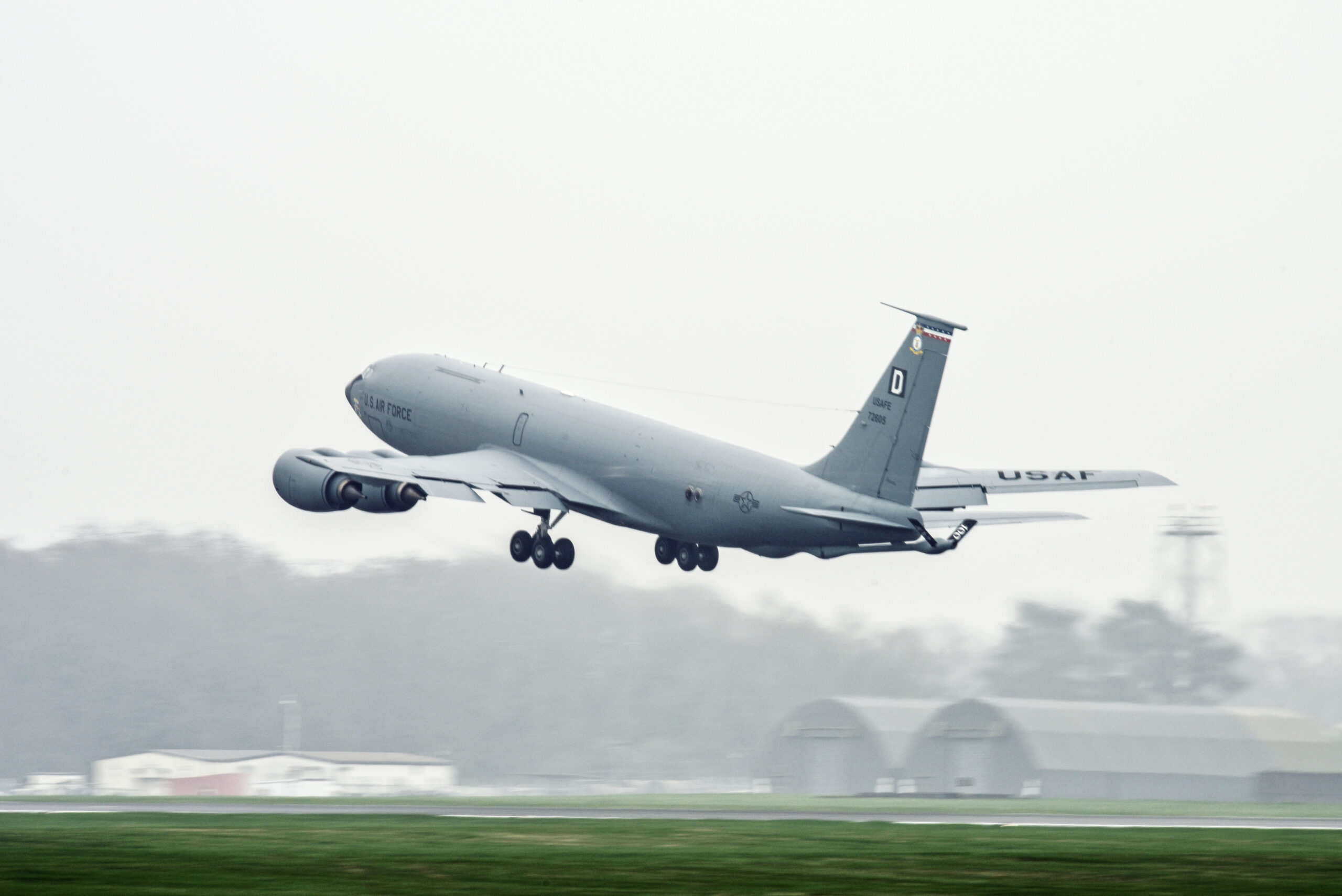
As the Air Force continues modernizing its strategic bomber fleet, officials said it also must expand its options by improving the tanker fleet. Those improvements are intended to provide alternatives when missions require them.
Donohue said recapitalization will remain a command priority alongside the modernization of existing aircraft.
MORE NEWS: ‘God Has Been So Good to Me’: Ella Langley Celebrates Incredible Nine CMA Awards Nominations [WATCH]
He emphasized connectivity, survivability and technical viability as essential areas for the fleet moving forward.
“Epic Fury, Midnight Hammer underscore the importance that connectivity plays, not only to our own survivability, but more importantly, to the success of the joint force and the mission at hand, whether it’s passing information to the bomber force as they’re executing their refueling or to the combat air forces forward, we’ve got to have the connectivity to add that value,” Donohue said.
The service is now moving through recapitalization by bringing KC-46 aircraft into the force and modernizing KC-135 aircraft, according to Donohue. Even after the KC-46 acquisition is finished, the Air Force will still have hundreds of KC-135s.
That remaining inventory guarantees the older Stratotanker will stay central to the refueling mission well into the future.
It also leaves the service responsible for sustaining aging aircraft while simultaneously investing in newer systems.

Donohue said increasingly contested future conflicts and operating areas will create additional risks. Getting bomber or fighter forces to their final Air Refueling Control Time, known as ARTC, can expose the force and increase the need for survivable platforms and additional tanker systems.
Those tanker systems would help preserve the viability of both legacy and future aircraft. The challenge is not simply introducing the KC-46, but maintaining enough capability across the fleet while operating conditions grow more contested.
“We can never walk away from the idea that our young airmen out there on the line today and for decades still will have to sustain 70-year-old-plus airframes,” Donohue said.
Panelists also argued that cooperation with industry is the “biggest enabler” for delivering capability to warfighters more quickly and at a lower cost to the service. They said creating more opportunities to reconsider work at the beginning of development can improve efficiency for operators.
Jamie Burgess, Boeing’s vice president and general manager of Mobility, Surveillance and Bombers, pointed to the company’s work on the KC-46.
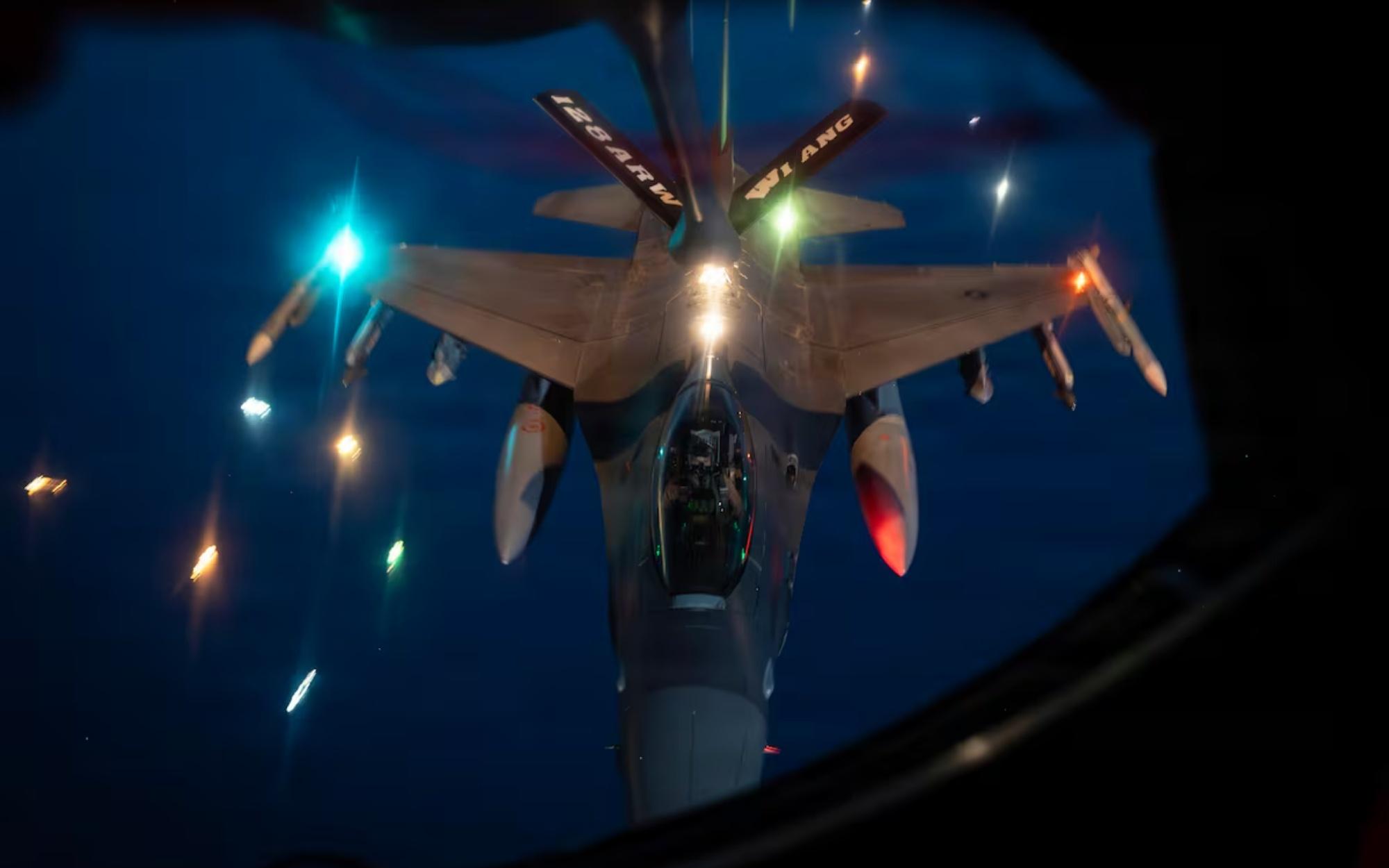
That effort included upgrades to the aircraft’s vision system for refueling and changed how the company approaches development work.
The message from the panel was clear about the sheer length of the tanker challenge.
New aircraft will arrive, existing aircraft will be modernized and hundreds of KC-135s will continue demanding support while the Air Force prepares its refueling fleet for increasingly contested missions.
The opinions expressed by contributors and/or content partners are their own and do not necessarily reflect the views of Conservative Scoop. Contact us for guidelines on submitting your own commentary.
Leave a comment
COMMENTS POLICY: We have no tolerance for messages of violence, racism, vulgarity, obscenity or other such discourteous behavior. Thank you for contributing to a respectful and useful online dialogue.